

Nothing in Basket!
The Ultimate Guide to Wildflower Meadows: Sowing, Growing & Maintenance
1. Why Wildflowers? Beauty with a Purpose
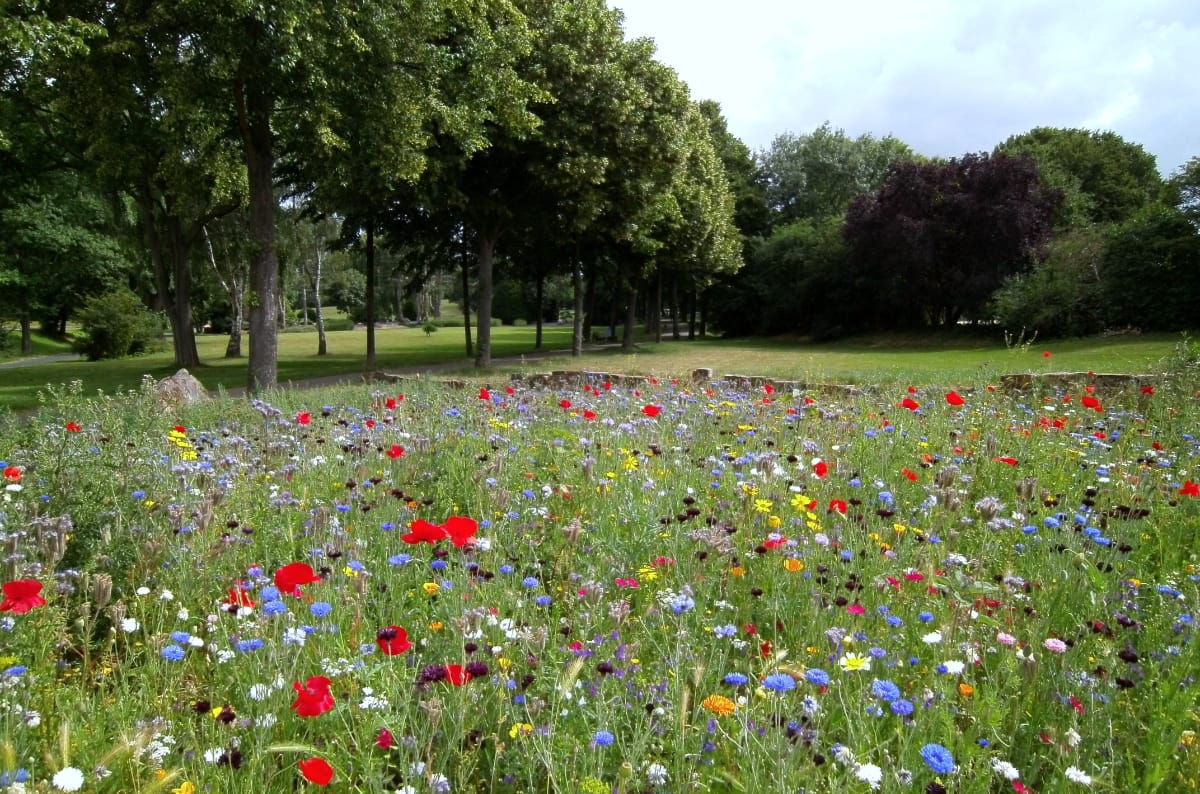
Wildflowers are the secret to a low-maintenance, high-impact garden. Weather you are dealing with a small border or a large field, these hardy natives are an absolute haven for pollinators and birds. In my own sandy Suffolk garden, they have been the main plants to truly thrive during our increasingly dry summers.
Stop! Before you dig: Growing from seed is the most cost-effective way to create a meadow. My 100% Native British Wildflower Mix is tested specifically for UK climates.
Shop the Proven Native Mix Here.
The Hidden Power of Wildflower Roots
Beyond the blooms, wildflowers are "soil healers." A diverse meadow helps:
- Improve Soil Structure: Deep taproots (like Scabious) break up compacted soil.
- Fix Nitrogen: Legumes like Bird's-foot Trefoil naturally fertilise your ground.
- Prevent Erosion: Dense root mats hold your topsoil in place during heavy UK rains and strong winds.
2. Planning & Sowing: The Secret to Success
Success hinges on one golden rule: Wildflowers love "poor" soil. If your soil is too rich, aggressive grasses will bully the flowers.
When is the Best Time to Sow?
While you can sow in Spring (March-May), Autumn (late August-October) is the "Gold Standard" for British gardens.
- Natural Cycle: Most native seeds drop in autumn; you are simply mimicking nature.
- Less Competition: Annual weeds are dying back, giving your seeds a head start.
- Cold Stratification: Many native seeds need the winter chill to "wake up" and germinate in Spring.
How to Sow Like a Pro
- Prepare the Bed: Clear all grass and weeds. Rake until the soil is fine and crumby.
- Sow Thinly: use 2g of seed per square metre. (Mixing seed with dry sand helps you see where you've scattered).
- Don't Bury Them: Wildflower seeds need light to germinate. Walk over them to "tread" them in, or rake very lightly. Never bury them deeper than 1cm.
3. Right Plant, Right Place: Soil type Guide
Matching seeds to your soil is the difference between a flourishing meadow and a patchy one.
Sandy / Dry Soil
- Kidney Vetch
- Viper's Bugloss
- Poppy
Clay / Loam Soil
- Ragged robin
- Meadow buttercup
- Betony
Acidic Soil
- Devil's Bit Scabious
- Yellow Rattle
Calcareous
- Salad Burnet
- Wild Marjoram
- Dropwort
The "Must-Have" Ingredient: Yellow Rattle
If your meadow is struggling with thick grass, you need Yellow Rattle. Known as the "Meadow Maker," it is semi-parasitic on grass, weakening it to allow flowers to burst through.
4. The Annual Cut: The Only Maintenance You Need
A wildflower meadow is not a "set and forget" project". To keep it from turning into a bramble patch, you must perform the Annual Cut.
- The Timing: Wait until late August or September, once the seed heads have turned brown and dropped their bounty.
- The Technique: Cut the meadow back to about 5-10cm.
- The Most Important Step: Remove the cuttings. if you leave them to rot, they add nutrients back into the soil, which encourages grass. Rake them up and add them to your compost!
5. Spotlight: Christina's Favourite Native Beauties
- Oxeye Daisies: The "all-rounder." They grow almost anywhere and provide an instant "meadow look."
- Foxgloves: The bumblebee's best friend. Perfect for those tricky shaded corners. (Buy Foxglove Seeds)
- Poppies: For a burst of red in year one. Remember, poppies need disturbed soil to return each year! (Buy Poppy Seeds)
Ready to Bring Your Garden to Life?
Don't let another season pass with a boring lawn. Whether you have a window box or an acre, there is a wildflower waiting to grow there.
Click Here to Browse our 100% Native, UK-Sourced Seed Collection.