
Nothing in Basket!
What's Happening in Christina's Suffolk Garden: October 2026.
- Location: Suffolk
- Conditions:Extended unseasonal heat up to 6th October, sandy soil
- Garden Stars: Buddleia, Cosmos, Valerian, Corn Marigold, Verbena, Salvia, and Solanum jasminoides 'Album'.
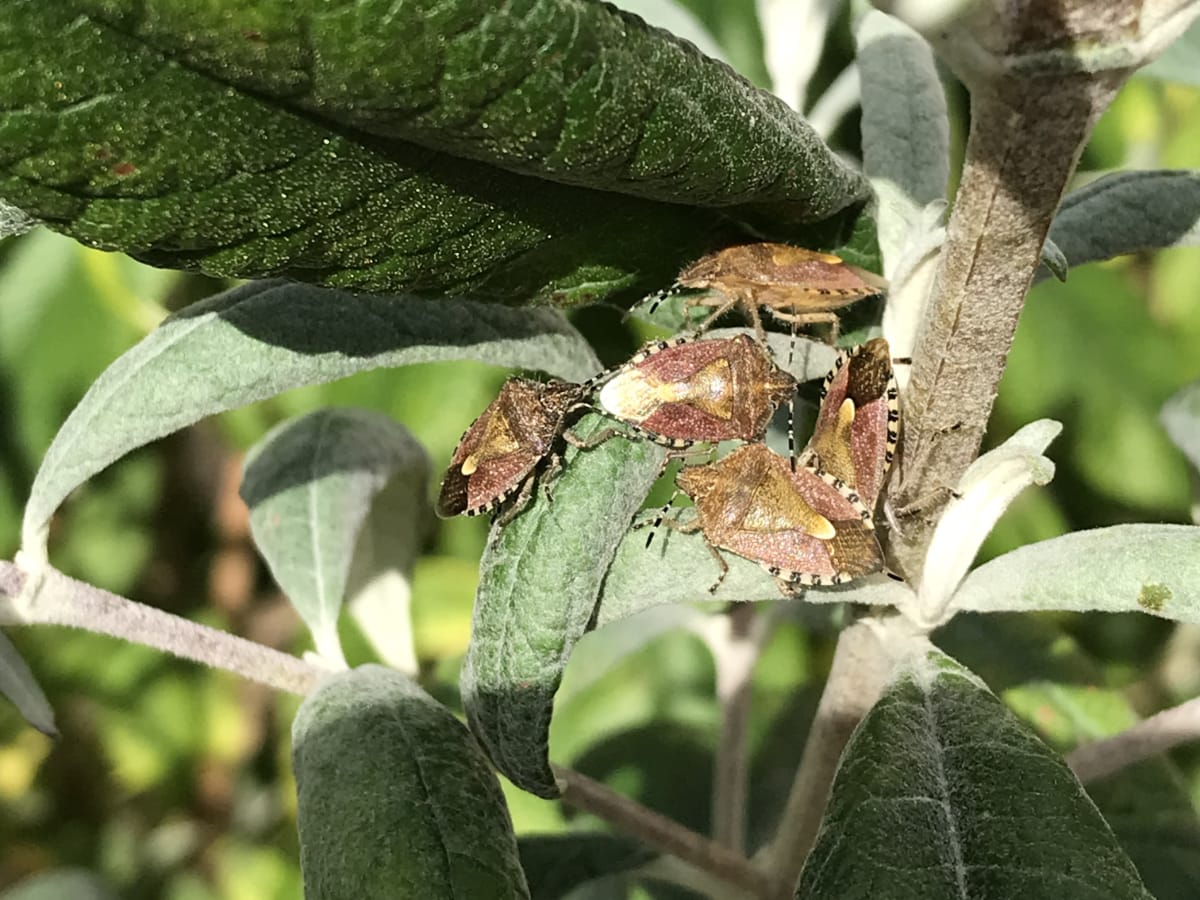
- Wildlife Visitors: Hummingbird hawk-moths, Dragonflies, Bats, Deer, Hedgehogs, Goldcrests, Dunnocks, Blue Tits, Great Tits, Coal Tits, Long-tailed Tits, Sparrows, Goldfinches, Greenfinches, Chaffinches, Woodpigeons, Robins, and Wrens, along with lots of unidentified bugs
Unseasonably warm weather has continued right up to 6th October here in Suffolk. Despite the late heat, we are bracing for cooler autumn temperatures to arrive tomorrow. In the meantime, the garden remains extraordinarily lush and green. Seeds dropped naturally by summer wildflowers have already begun germinating in the warm, damp earth, and a confused Foxglove is even preparing to bloom, a full season ahead of schedule!
The climbers introduced earlier this year to attract butterflies are looking stunning. Buddleia, Cosmos, Valerian, Corn Marigold, Verbena, Salvia, and Solanum jasminoides 'Album' are all still putting out fresh flowers. Removing the Cherry Laurels along the back garden boundary has proved to be one of our best decisions: replacing them with native climbers and shrubs has created a far more diverse feast for caterpillars, insects, and songbirds.
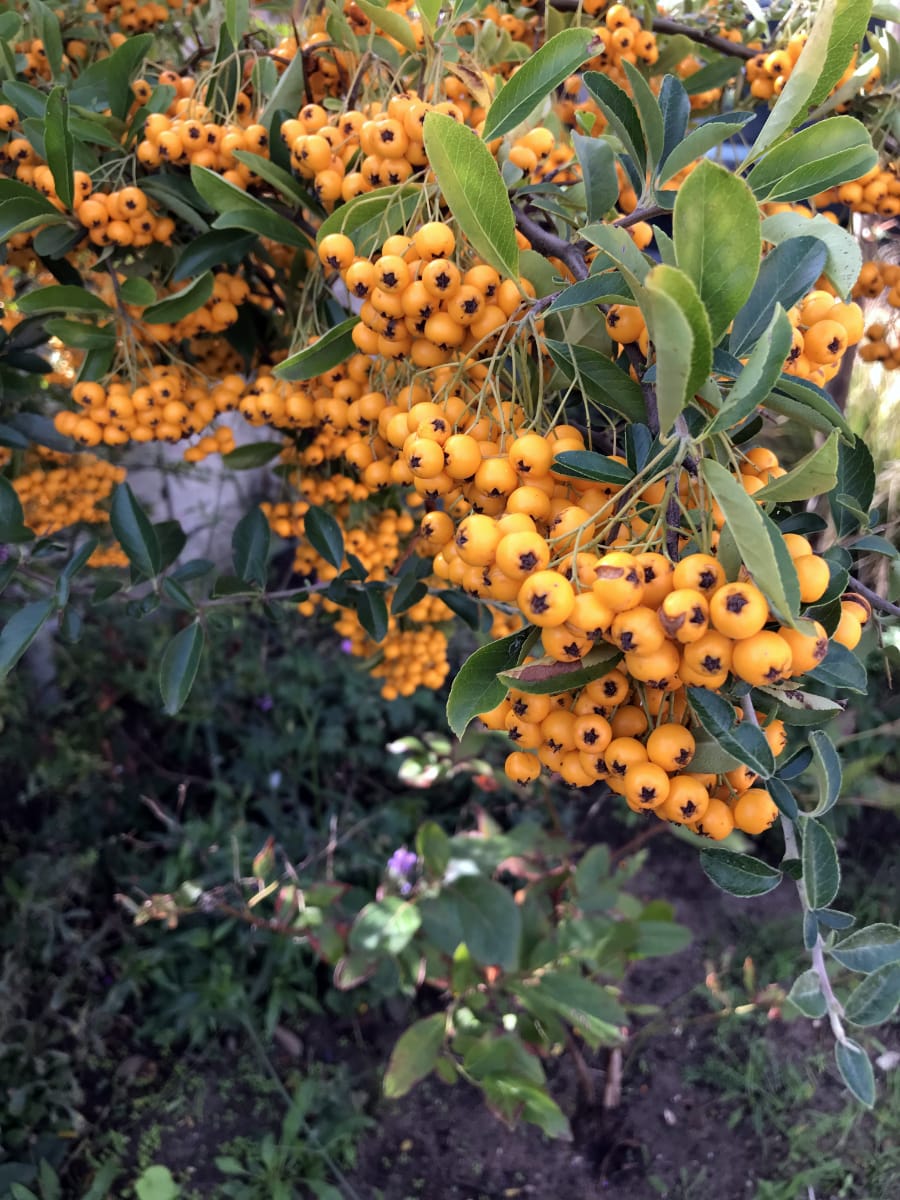
Down in the front garden, local deer continue their early-morning visits to strip the ripe red berries from our Rowan and Pyracantha trees. We have been discussing adding a few more berry-bearing trees to this area to provide vital winter food for birds, as well as natural privacy from neighbouring properties garden lights.
Autumn Wildlife, Bird Feeders, and Local Observations
Following advice from the RSPB, I put our bird feeders back out on 1st October. Within two days, Blue Tits located the feast and alerted the neighbourhood with their loud feeding calls. Soon, Coal Tits, Great Tits, Long-tailed Tits, Sparrows, Goldfinches, Greenfinches, Chaffinches, and Dunnocks joined the fray. Interestingly, while standard reference books claim Dunnocks are shy ground-feeders that avoid perches, they regularly sing proudly from our garden bushes and use the hanging feeders without hesitation.
However, hanging feeders also bring drama. Woodpigeons gather underneath to scavenge fallen scraps, trampling delicate young seedlings in the process, while the noise and commotion attract neighbourhood cats. Our resident Robin has also grown territorial, actively chasing other birds away from this domain. For now, I'll keep the bird feeders going until the food has run out. I don't think I'll continue to feed the birds after than, as they become very aggressive, and the birds that have adopted the garden naturally, get forced out or start fighting.
Meanwhile, our bird-song identification app confirms that Goldcrests are still active nearby. These tiny insectivores, the UK's smallest birds, can often be seen flitting around the tips of conifer branches, hunting for small bugs and gathering spider webs and lichen to build their remarkable elastic cup-shaped nests. We have seen them in our garden in past years and hope to see them again this winter.
Practical October Jobs for a Resilient Wildlife Garden
Autumn is an ideal window to strengthen your garden against future heatwaves, enrich the soil, and support overwintering fauna. Here are the core tasks I am focusing on this month:
- Chop-and-Drop Mulching: Prune back any overgrown stems blocking natural light from windows and drop them directly onto the soil around your borders (leaving 2-5 cm layer). This natural mulch feeds the soil, retains winter moisture, and saves carrying material back and forth to a compost heap.
- Autumn Plant & Bulb Additions: October soil is warm and moist, perfect for establishing strong roots before spring. Any plants you have grown from seeds or cuttings, can now go into the ground. Plant spring bulbs like Snowdrops and Daffodils at twice their depth (shoot facing upwards) to provide crucial early nectar for emerging queen bumblebees. If you uncover an overwintering queen bumblebee while digging, carefully rehome her in a quiet, undisturbed border corner.
- Leave Dead Stems & Leaf Litter: Resist the urge to tidy away every dead stem or fallen leaf in flower beds. Hollow stems house overwintering ladybirds and solitary bees, while leaf litter shelters moth pupae and gives foraging Blackbirds a place to hunt.
- Seed Harvesting: Collect ripe seed heads on dry days. Tip the seeds slowly between two bowls outdoors to let the wind blow away the chaff, then store them in a cool, dry place. Always leave a few pods on the plant to self-seed naturally.
- Feed Birds with Fallen Fruit: Move dropped apples or pears to an open central lawn space where birds can feast on them safely while keeping an eye out for predators.
Art, Observation, and Doing Our Bit
Sitting back to observe and document nature this year has been far more rewarding than worrying over heatwave damage or the wider decline of UK wildlife. Every new insect or bird spotted in the garden brings genuine excitement. I have been capturing these moments through my coloured pencil illustrations, and I now have hand-illustrated wildlife bookmarks and art prints available directly in the gift section of my website.
Bring Nature Home: Explore our range of hand-illustrated botanical bookmarks, art prints, and digital gift vouchers.