
Nothing in Basket!
How to Grow Thyme: The Ultimate Ground-Hugging Anchor
All you need to know about planting, growing, harvesting, and caring for this incredibly resilient herb.
- Plant: March to May, or September to November
- Harvest: All year round (tastes best on a warm, sunny day)
- Soil: Poor, stony, sharply drained sand or gravel
- Loved by: Solitary bees, butterflies, hoverflies, and nesting birds
Using thyme to cover exposed ground in my sandy Suffolk garden has been incredibly worthwhile. Not only does it establish and spread quickly, but it also forms a dense, wiry carpet that binds the loose soil together, preventing it from blowing away during dry, windy days.
It has also acted as an absolute magnet for local pollinators. I have even noticed birds pulling off bits of the fragrant foliage to weave into their nests, likely utilizing its natural aromatic properties to help keep pests out of their hatchlings' homes.
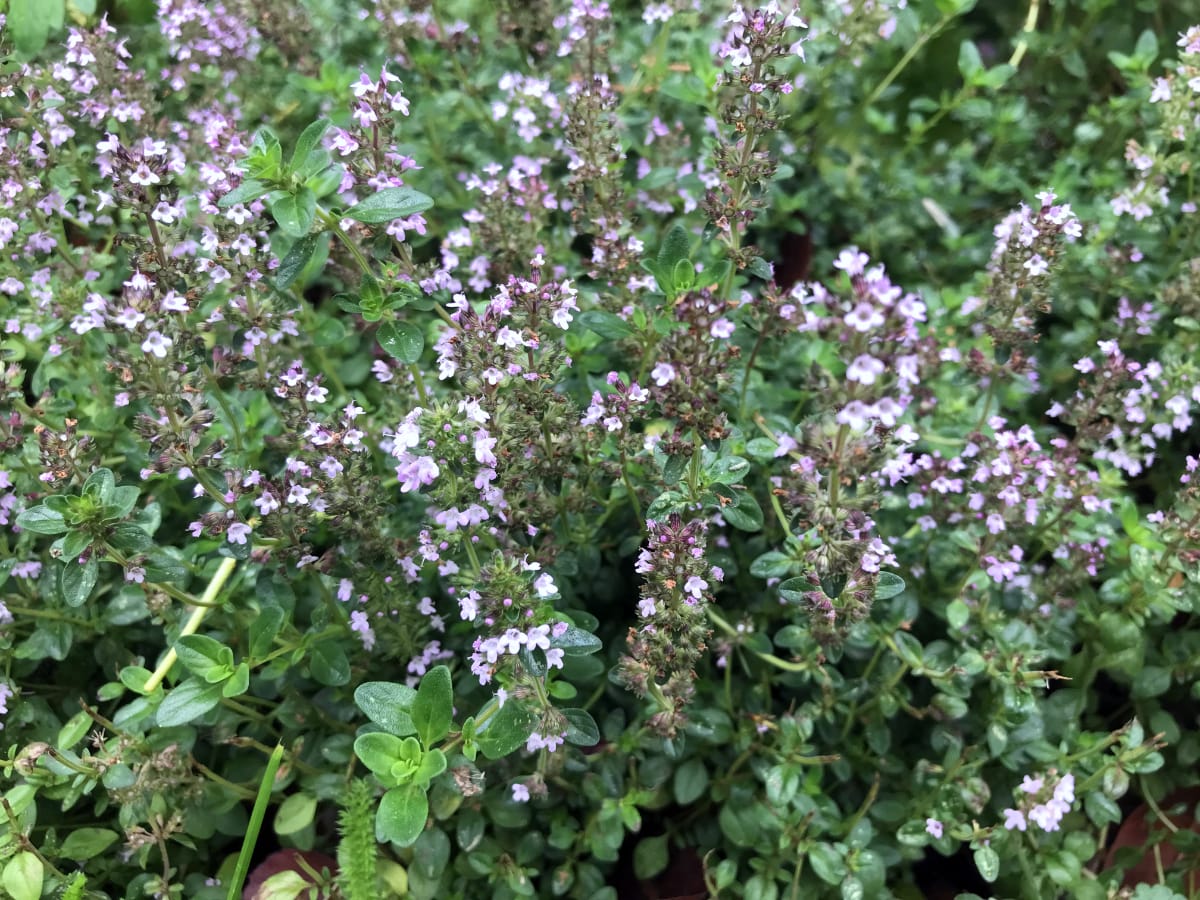
I have planted thyme all over my garden: to cover exposed earth, line pathways, and even to replace patches of struggling lawn. It thrives brilliantly in our dry, sandy soil, which is packed with stones (thanks to a previous owner covering the entire area in gravel). Throughout the summer, these carpets are alive with a sea of flowers and insects. Watching the garden transform from a sandy, wind-swept wildlife desert into a buzzing, thriving ecosystem has been a joy, and thyme played a central role in that recovery.
Understanding Thyme Varieties
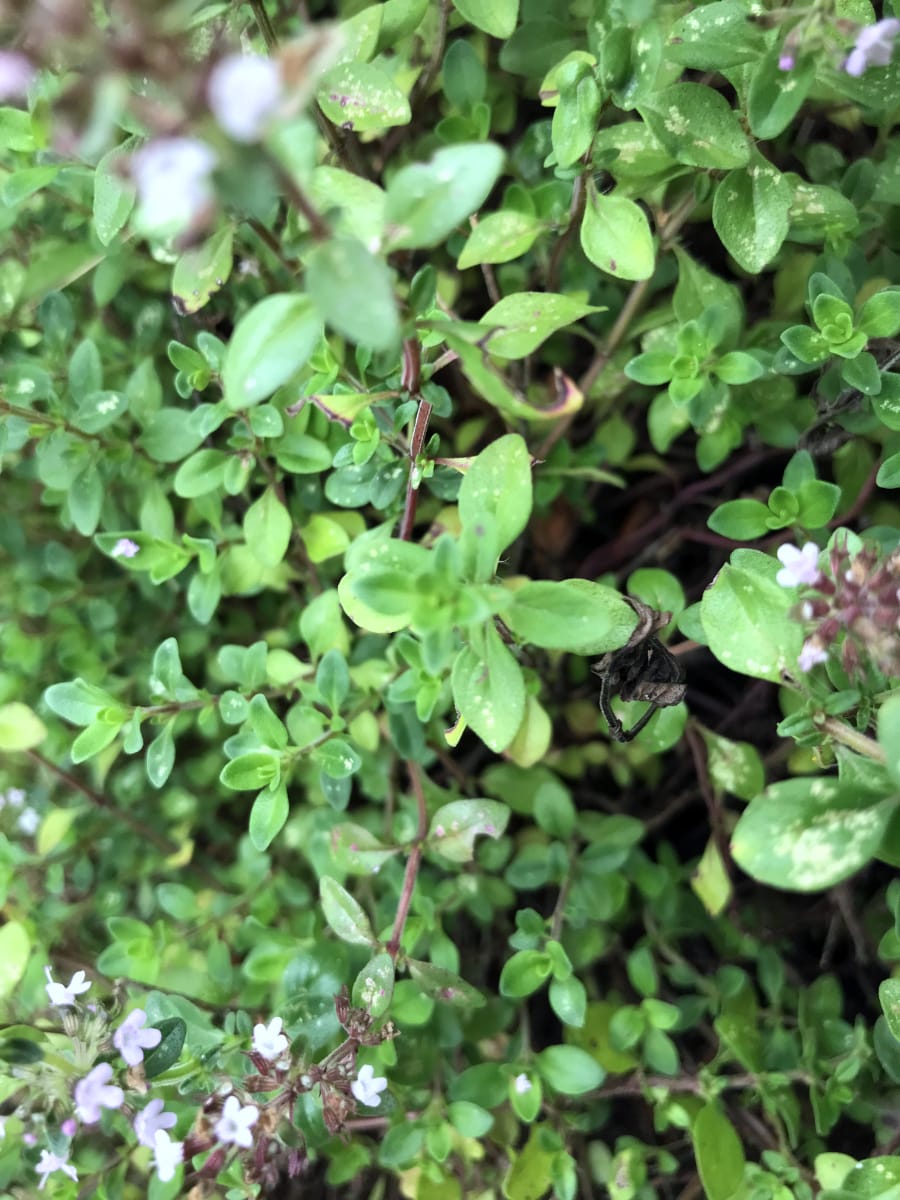
Thyme (Thymus) is a wonderfully versatile, low-maintenance herb. With around 200 different species and cultivars to choose from, there is a thyme for every nook and cranny. Foliage colours range from deep, classic green to golden yellow and variegated silver, while their growth habits span from completely flat, paving-hugging carpets to small, upright, rounded shrubs.
Some of the best varieties to grow include:
- Thymus (Coccineus Group) 'Purple Beauty': A spectacular choice for gravel gardens and highly exposed, baking spots.
- Thymus serpyllum (Creeping Thyme): A exceptionally flat, carpet-forming species that makes a fantastic, foot-tolerant alternative to a grass lawn.
- Thymus herba-barona (Caraway Thyme): Possesses a unique, spicy caraway scent.
- Golden King & Silver Posie: Excellent variegated varieties that bring year-round foliage interest.
Where to Grow Thyme
Thyme demands well-drained soil that is low in nutrients. Plant it in full, baking sun; the intense heat coaxes the essential oils to the surface of the leaves, dramatically concentrating both its fragrance and culinary flavour.
It is perfectly suited for gravel gardens, cracks in paving, dry stone walls, or spilling over the hard edges of pathways. If you want to grow thyme in containers, use a soil-based compost mixed with plenty of horticultural grit, and keep the pots raised off the wet ground with pot feet to ensure flawless winter drainage.
How and When to Plant Thyme
The best times to plant thyme are in the spring (March to May) or autumn (September to November).
While you can raise thyme from seed, I have found it is much easier and faster to purchase established young plants from a nursery. Once you have them, you can easily divide them in spring or autumn to multiply your stock for free.
- Spacing: Space your plants roughly 30 to 45cm (12 to 18 inches) apart to allow them room to spread into a seamless carpet.
- Planting: Dig a hole slightly larger than the root ball. Settle the plant in, backfill with your sandy soil, and firm it in gently.
- Watering: Water newly planted thyme regularly until it is established, but always allow the soil to dry out completely between waterings. Once established, it will rely entirely on natural rainfall.
How to Care for Thyme
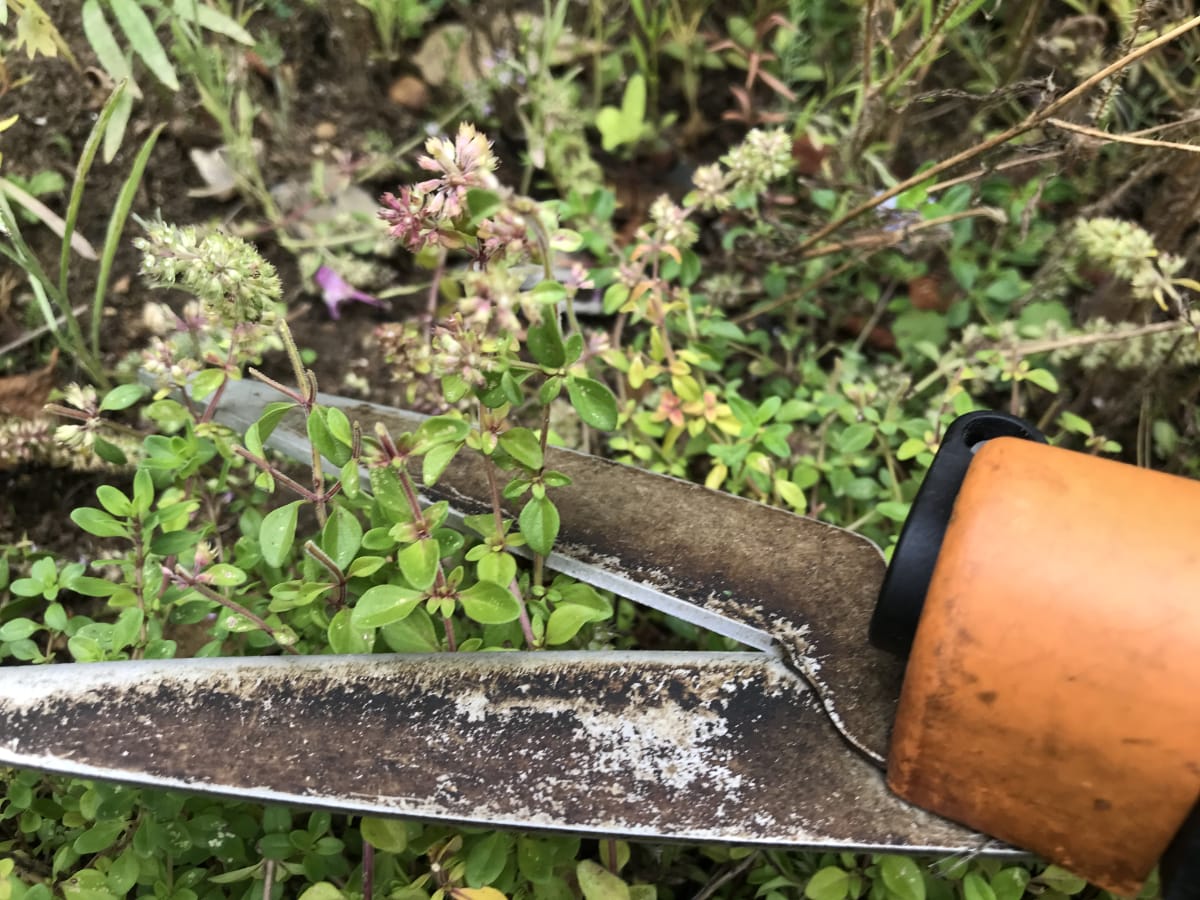
- Pruning is Key: Always trim your thyme back hard with shears immediately after it finishes flowering. This prevents the stems from becoming leggy and woody. If left unpruned, thyme will quickly go woody in the centre and will need replacing within three years. Hard trimming promotes fresh, bushy green growth that you can harvest all through autumn and winter.
- Feeding: Thyme planted in the ground needs no fertilising whatsoever. However, plants grown in pots will benefit from a weekly feed of liquid seaweed from March to May to keep them healthy and productive.
- Winter Protection: While thyme loves dry, sandy conditions, severe wet winters can cause root rot. If you have potted varieties, move them close to a house wall to shelter them from excess winter rain, or bring tender varieties into a cold greenhouse.
Harvesting and Storing
Because thyme is a hardy evergreen, you can harvest the leaves fresh all year round. However, the flavour is at its absolute peak in early summer, just before the flowers open, when the essential oils are highly concentrated.
To preserve your summer harvest for the winter months, you can:
- Hang sprigs in a warm, dry place to air-dry.
- Preserve the leaves in culinary oils or herbal vinegars.
- Chop the fresh leaves fine and fold them into homemade butter, which can then be frozen.
Thyme: Problem Solving
Thyme is exceptionally resistant to most pests and diseases. However, there are two minor issues to keep an eye on:
- Powdery Mildew: This can occasionally appear during humid summer spells. To prevent it, ensure your plants are spaced well apart in an open, sunny area with good air circulation.
- Rosemary Beetle: These shiny green-and-purple beetles do enjoy eating thyme, but in my garden, they completely ignore my thyme carpets, choosing to congregate on the rosemary bushes instead! Simply pick them off by hand if you spot them.
By keeping a few backup cuttings or dividing your plants regularly, you can easily refresh any older woody patches and keep your ground-covering carpets looking lush, vibrant, and resilient.
Companion Planting for a Sandy Garden
While thyme forms the perfect, soil-binding carpet for your sunny pathways and gravel borders, it looks its absolute best when paired with tall, drought-tolerant perennials and native wildflowers that thrive in the same lean, sandy conditions.
Browse our drought-tolerant, pollinator-approved wildflower seeds here.

About the Author & Content Disclaimer
The advice in this post is based on 10+ years of hands-on experience testing seeds in our sandy Suffolk Garden.
While I love sharing my journey and the things I discover, please understand that I am not a certified professional in gardening or wildlife. I ground my content by deep-diving into reliable books and expert resources, but please use my advice only as a guide for your specific garden.
I use and sell the same UK-sourced, wildlife-approved seeds in my own garden that you see throughout this site. Shop our complete seed range here.
If you notice any inaccuracies or have additional insights to share, please feel free to contact me via this website's contact forms.