
Nothing in Basket!
Beyond the Spots: How We Brought the Full Ladybird Life Cycle into Our Suffolk Garden
Ladybirds are a familiar, much-loved sight in gardens and parks across the UK. There are more than 40 species in Britain, and a healthy, naturally managed garden can easily support several of them at any given time.
These brightly coloured, oval beetles are immediately recognisable, ranging in size from a tiny 1mm to a more prominent 10mm. They play a crucial role in maintaining an ecological balance in our green spaces, acting as nature's ultimate pest controllers. However, simply spotting an adult ladybird in your garden doesn't mean your space is truly supporting them. To make a lasting difference, you need to invite their entire life cycle to take root.
1. Our Missing Link: The Secret to Ladybird Larvae
When we first moved into our sandy Suffolk property, I noticed we actually had plenty of adult ladybirds visiting us. But despite their presence, something was wrong: there were absolutely no larvae to be found, and we never saw them breeding.
I quickly realised our mistake. While our garden was a nice place for an adult beetle to land, there was nowhere for them to safely lay their eggs, and absolutely no plants to attract the aphids their young desperately require. Without an immediate food source, there was no reason for ladybird larvae to come to, or stay in, our garden.
Adult Ladybirds Visit - No Food/Aphids - No Eggs Laid - Empty Garden Cycle
To fix this, we had to deliberately invite the pests. We discovered that the absolute best plant to attract aphids is the Buddleja bush. By letting a few patches go wild, we also found that native wildflowers like White Campion and Cornflowers are brilliant at drawing them in.
Now, we actively welcome an abundance of aphids. Because the food supply is guaranteed, the ladybirds have returned the favour tenfold. They now carry out their full, fascinating life cycle right here in the garden.
Create Your Own Aphid Oasis: Growing a diverse patch of wildflowers is the most cost-effective way to jumpstart this natural ecosystem. You can browse our 100% Native UK Wildflower Seeds Here to get started.
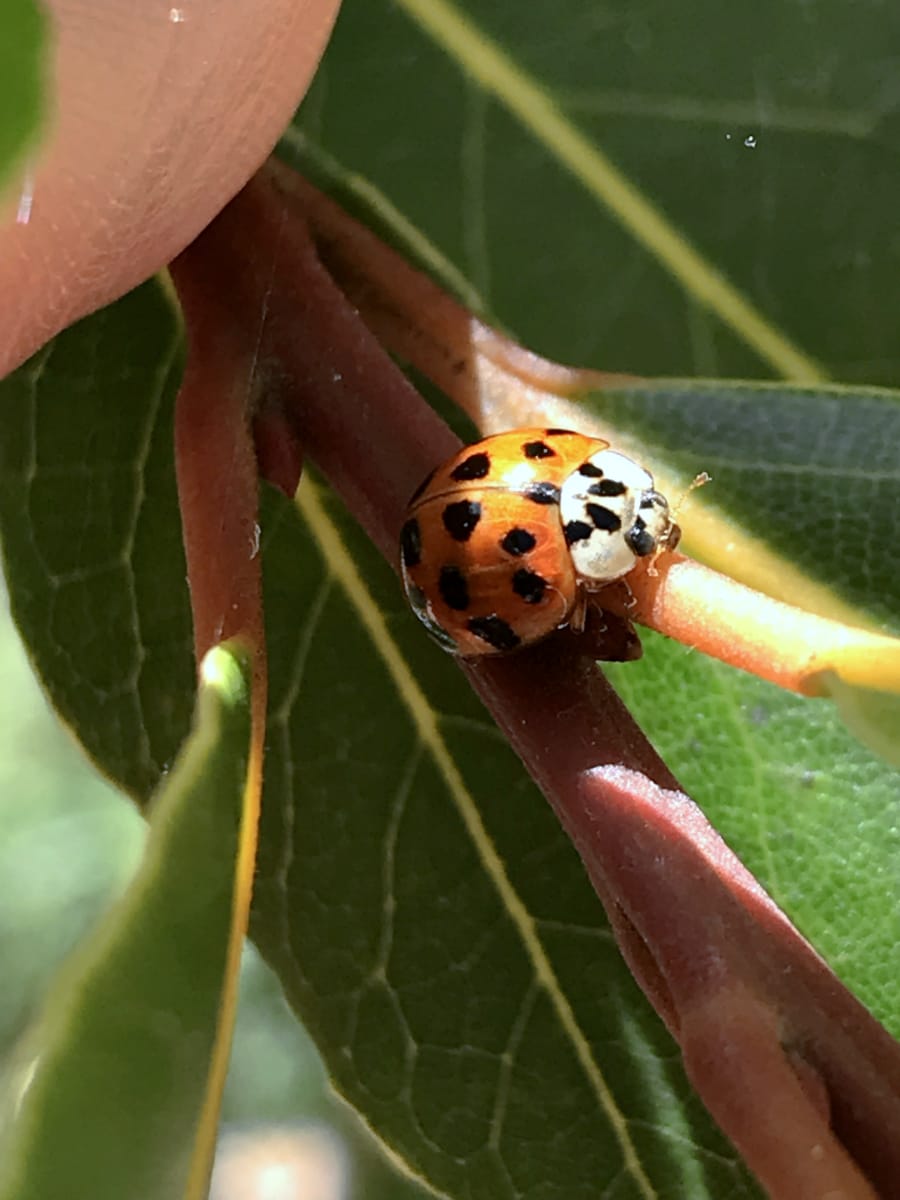
Here is a 10 spotted ladybird on the back of a Penstemon stem.
2. Where Do Ladybirds Actually Lay Eggs? (Real Observations)
Once the food arrived, the breeding began. Textbook guides will tell you that ladybirds only lay eggs on the undersides of leaves near aphid colonies. While that is mostly true, nature is far more creative.
In our garden, we have found ladybird eggs tucked away in some highly unexpected places, including right on our wooden gate posts. Mostly, however, they choose very specific structural hiding spots:
- Under the leaves of Penstemons
- Tucked beneath mature Buddleja foliage
- On warm, brick walls that offer some architectural protection.
These spots provide the perfect micro-climate and shelter that hides the vulnerable pupa while it undergoes its transformation into an adult beetle.
3. Understanding the Four Stages of the Life Cycle
By keeping a natural garden, you get a front-row seat to one of the most dramatic transformations in the insect world. The cycle consists of four distinct stages:
- The Egg: Bright yellow or orange clusters tucked under leaves or on warm structures near aphid colonies.
- The Larva: Looking like tiny, spiky alligators, these larvae are voracious feeders. They consume thousands of aphids and look entirely different from the adults.
- The Pupa: After growing, the larva attaches itself to a leaf, wall, or gate post, forming a hardened chrysalis.
- The Adult: The familiar beetle emerges. Its vibrant red, yellow, or orange colouration serves as a warning to predators that they are highly distasteful.
4. Setting the Record Straight: Native vs. Harlequin Ladybirds
I often have visitors telling me that I should kill the Harlequin ladybird (Harmonia axyridis) because it is an invasive species that became established in Britain around 2004. It is true that the Harlequin is large (8-10mm), incredibly successful, and can sometimes compete with our native species for food.
However, it is not necessary to attempt to control or terminate this species.
Harlequins come in dozens of variations, from black with two red spots to bright orange with 18 spots. Because they are so variable, the average gardener could easily confuse them with a native species and end up doing far more harm than good to the local beetle population. At the end of the day, Harlequins are phenomenal apex predators of aphids, and they play a massive part in keeping our garden ecosystem balanced without chemical intervention.
Our Most Common Garden Residents:
- The Seven-Spot Ladybird (Coccinella 7-punctata): The classic British ladybird. They are 5-8mm long, almost always red with seven black spots, and their larvae are distinctive grey with four pairs of orange markings.
- The Ten-Spot Ladybird: A slightly smaller, highly variable native beetle. I regularly photograph them enjoying the spent winter seed heads of our garden Penstemons.
5. Summary: How to Turn Your Garden into a Breeding Haven
If you want to move past casual insect sightings and build a true wildlife refuge, stop tidying up every corner and stop using chemicals.
- Plant the Bait: Don't panic when you see aphids on your Buddleja, White Campion, or Cornflowers. Treat them as a vital food station.
- Leave Warm Structures Alone: Be careful when scrubbing down garden walls or old gate posts in the spring and summer—you might accidentally wipe away a generation of hidden pupae.
- Ditch the Pesticides: Chemical sprays don't differentiate between the pests you hate and the ladybirds you love. Let nature do the clearing for you.
Seven spot ladybird, Coccinella 7-punctata. Adults are 5-8mm in length and almost always red with seven black spots. The larva is grey with four pairs of orange markings. A widespread species often found in gardens feeding on aphids.
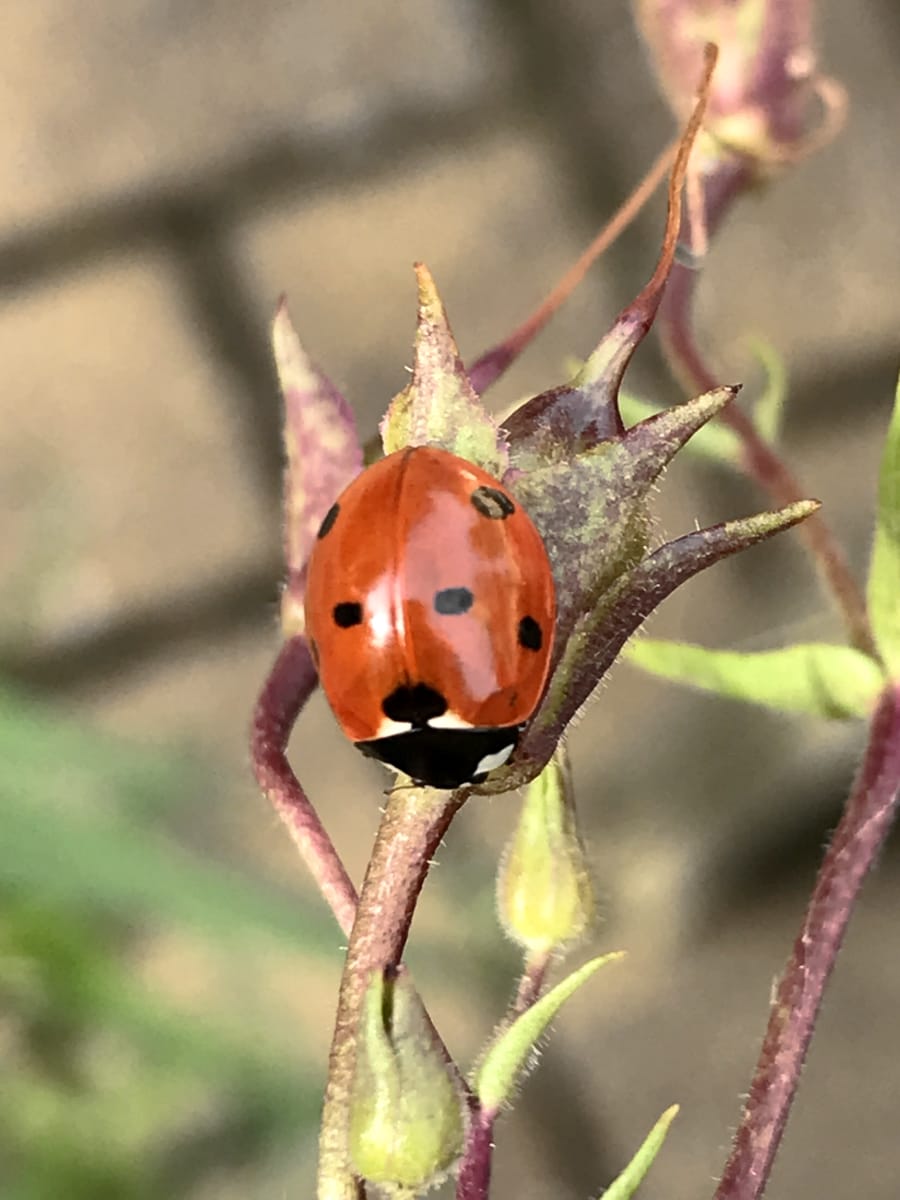
Here is a 7 spot ladybird, Coccinella 7-punctata, also enjoying the seed heads of my penstemons
About the Author & Content Disclaimer
The advice in this post is based on 10+ years of hands-on experience testing seeds in our sandy Suffolk Garden.
While I love sharing my journey and the things I discover, please understand that I am not a certified professional in gardening or wildlife. I ground my content by deep-diving into reliable books and expert resources, but please use my advice only as a guide for your specific garden.
I use and sell the same UK-sourced, wildlife-approved seeds in my own garden that you see throughout this site. Shop the seeds here.
If you notice any inaccuracies or have additional insights to share, please feel free to contact me via this website's contact forms.