

Nothing in Basket!
The Meadow maker: Understanding Yellow Rattle in the Ecosystem
How Yellow Rattle Helps To Create a Wildflower Meadow
- Sow: Autumn (September to November)
- Germination: Following spring (requires a cold winter chill - below 5c for up to 90 days)
- Flowers: May to July
- Loved by: Bumblebees, butterflies, and meadow-makers
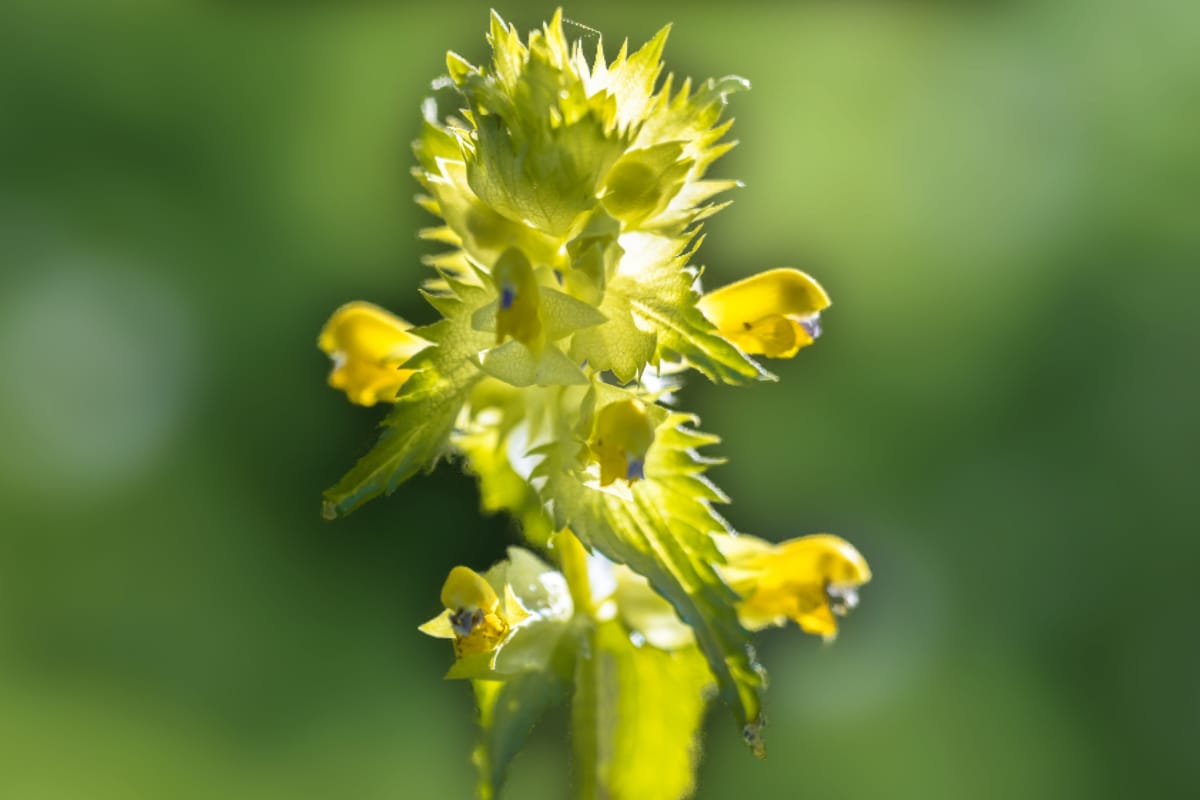
If you have ever tried to establish a perennial wildflower meadow, you will quickly discover that aggressive, dominant grasses are your greatest challenge. They easily outcompete tender native wildflowers for light, space, and nutrients. This is where Yellow Rattle (Rhinanthus minor) earns its title as the "meadow maker."
Yellow Rattle is a fascinating, native annual wildflower with a unique ecological role: it is semi-parasitic. Beneath the soil, its roots seek out the vigorous roots of nearby grasses, tapping into them to draw out water and nutrients. By suppressing the dominance of the grass, it naturally thins out the turf, lowering its vigour and creating crucial physical gaps where wildflowers can finally drop their seeds, take hold, and thrive.
The Cold Truth: Germination Realities in Sandy Soil
While I sell high-quality, UK-sourced Yellow Rattle seeds on my store, I believe in absolute honesty when it comes to gardening. In my own walled Suffolk garden, establishing this plant has been an uphill battle, and I have yet to achieve a successful, flourishing stand of it.
Yellow Rattle seeds have highly specific environmental triggers. They are strictly autumn-sown because they require a prolonged, freezing winter period to break their seed dormancy, a process known as stratification. In our enclosed, sandy walled garden, the microclimate often stays too protected, and our recent winters simply haven't provided that sustained, deep freezing weather needed to spark them into life. However, nature is all about timing; if we ever hit a sharp, prolonged freeze that can keep the ground below 6c for at least 90 days, I will be out there trying them once more.
Furthermore, our continuous, intensely hot summers pose an extra challenge to maintaining a traditional grassy sward. Between the drying heat waves and my daily foot traffic wandering across the lawn, bug hunting and inspecting the borders, our grass area naturally thins out and dies back more each year. Because of this, the remaining grass in my garden is highly likely to be removed entirely in the near future to make room for more expansive, drought-tolerant wildflower beds.
- Autumn Sowing - Seeds drop into turf - Needs sustained winter frost (stratification)
- Spring Triggers - Seeds germinate - Roots tap into grass to suppress its vigour
- Summer Result - Grass thins out - Native wildflowers find the light and thrive
Annual vs. Perennial Meadows: Choosing Your Style
Many gardeners believe you can simply scatter wildflower seeds directly onto a lush green lawn and watch a meadow appear, but complex ecosystems require a bit more strategy. Depending on your soil and your long-term goals, you generally have two distinct paths to choose from:
1. The Annual Meadow (The Temporary Border Filler)
Annual meadows act as magnificent temporary fillers. They are ideal for filling bare areas in borders, framing path edges, or covering ground while you wait for permanent shrubs to mature.
- Soil Preference: Annual wildflowers absolutely love fertile, nutrient-rich soil.
- Lifespan: They are exceptionally easy to grow from seed, coming into bloom by June and continuing right through until October.
- The Caveat: Because they are annuals, you will be left with bare earth once the winter frosts hit, requiring you to wait for their dropped seeds to germinate the following spring.
2. The Perennial Meadow (The Grass Alternative)
Perennial meadows are designed as long-term, self-sustaining ecosystems. They are best used as a direct alternative to a traditional lawn rather than being integrated into a formal border (though highly adaptable species like Oxeye Daisies do brilliantly in borders, provided you thin them out each year as they spread).
- Soil Preference: Perennial meadows actively prefer poor, unimproved, low-nutrient soil. High fertility only encourages the grasses to return and smother the flowers.
- Lifespan: The flowering window begins early in late March or April and carries on beautifully through to July or August.
Where to Buy Yellow Rattle Seeds
If you have a grassy area that needs managing naturally and you experience cold, frosty winters, growing Yellow Rattle from seed is the most sustainable way forward. Because the seeds require that natural winter chill to trigger germination, ensure you get them into the ground during the autumn months.
Click here to buy your native Yellow Rattle seeds now.
About the Author & Content Disclaimer
The advice in this post is based on 10+ years of hands-on experience testing seeds in our sandy Suffolk Garden.
While I love sharing my journey and the things I discover, please understand that I am not a certified professional in gardening or wildlife. I ground my content by deep-diving into reliable books and expert resources, but please use my advice only as a guide for your specific garden.
I use and sell the same UK-sourced, wildlife-approved seeds in my own garden that you see throughout this site. Shop the seeds here.
If you notice any inaccuracies or have additional insights to share, please feel free to contact me via this website's contact forms.