
Nothing in Basket!
A True Blue Classic: Growing Cornflowers for Goldfinches and Bees
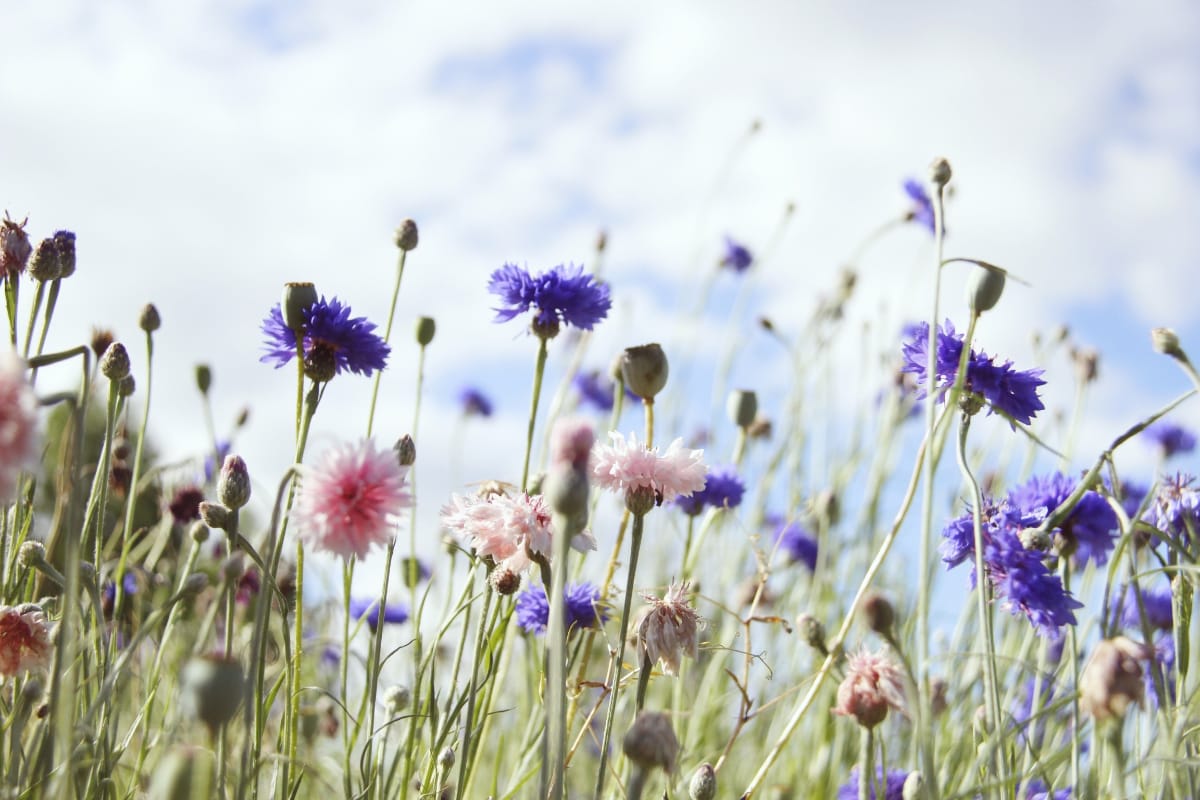
I have been growing Cornflowers in my garden since 2017, and I truly cannot imagine my borders without them now. They are my absolute secret weapon for plugging unexpected bare spaces and creating vibrant patches of micro wildflower meadows.
The intense, electric blue of the traditional Cornflower (Centaurea cyanus) adds a layer of depth to a garden that few other flowers can match. While they are technically archaeophytes (meaning they are not strictly native but were introduced thousands of years ago) they have earned a permanent place in our wildlife heritage. Once considered a common weed alongside poppies and corn marigolds, modern agricultural pesticides have made them incredibly rare in the wild. Fortunately, they are wonderfully easy to cultivate at home, offering a double reward: a feast for local bees in the summer, followed by a mad scramble of goldfinches in the autumn.
1. The Real Wildlife Value: From Pollinators to Finches
Many gardening guides focus entirely on how much bumblebees love the ruffled, nectar-rich flowers of the Cornflower. While that is beautiful to watch throughout the summer, the real magic happens in our garden once the blooms fade.
If you leave the spent flower heads to dry out on their slender, wiry stems, local birds will quickly spot them. In our garden, the goldfinches cannot devour the seeds quickly enough. Watching them balance on the swaying stalks to pluck out the seeds is one of the greatest joys of keeping a naturally managed garden.
As a lovely little bonus, these historic blooms are completely edible too. You can pluck the vibrant petals to use as a stunning garnish for summer salads or to decorate homemade cakes.
2. Soil Strategies and the Danger of Flopping
Cornflowers are annuals, completing their entire journey from seed to flower in a single growing season. They possess an incredibly fast turnaround time, jumping from a simple seed to a full burst of colour in about ten weeks. However, to get the absolute best out of them on your property, you need to manage their soil and height requirements:
- Low Fertility is Best: Cornflowers do best in soil with very low fertility. There is absolutely no need to add fertiliser, manure, or rich organic matter. If the ground is too rich, they will put all their energy into producing weak, floppy green foliage rather than sturdy stems and flowers.
- Pot Culture: If you are growing them in containers, pick shorter-growing varieties. Use a general-purpose, peat-free potting compost mixed with a third by volume of coarse grit to ensure sharp drainage. Taller varieties can reach up to 120cm in height and will quickly flop over in a container without significant structural support.
3. Successive Sowing Methods
The absolute best way to sow Cornflower seeds is directly into the ground exactly where you want them to flower. They love full sunshine and require at least half a day of direct light to thrive.
To keep a continuous supply of fresh blue blooms lasting longer than their standard 10 to 12 weeks, you can practice successive sowing. By scattering fresh batches of seeds every few weeks throughout the spring, you ensure a rolling queue of new plants ready to take over as the older ones fade.
Sowing Outdoors
Clear your chosen patch of ground until it is completely weed-free. Scatter the seeds or sow them 0.5cm deep in neat rows, then rake over the soil lightly. Once the seedlings emerge, thin them out so they sit roughly 15cm apart, giving them plenty of breathing room to develop their branching stems.
Sowing Indoors
If your local spring weather is particularly miserable or the ground is too hard to work, you can easily start them indoors instead. Sow the seeds into trays or small modules and place them inside an unheated greenhouse. They will develop happily in the cool environment, ready to be transplanted outside into the borders once spring truly arrives.
4. Managing Next Year's Meadow
Because they are prolific seed producers, Cornflowers will happily self-sow if you leave the autumn seed heads intact for the birds. They are not invasive in the slightest. If a few rogue seedlings pop up in the wrong place next spring, their distinctive blue-green foliage is incredibly easy to spot, and the young plants can be lifted or pulled out effortlessly.
If you prefer to collect the seeds manually, simply wait for the flowers to fade completely in autumn, snip the dry heads, and shake the seeds into a paper envelope. Store them away in a cool, dry place, and you will be completely set for the following spring.
Where to Buy Our Trusted Cornflower Seeds
Bringing this historic cornfield classic back into our gardens is one of the simplest ways to boost your local wildlife ecosystem. It is an exceptionally trouble-free, low-maintenance plant that is even easy enough for children to grow successfully.
Shop Cornflowers: We offer the classic, deep-blue Centaurea cyanus seeds identical to the ones we grow and manage in our own garden right here in Suffolk. Click here to buy Cornflower seeds from our online shop.
About the Author & Content Disclaimer
The advice in this post is based on 10+ years of hands-on experience testing seeds in our sandy Suffolk Garden.
While I love sharing my journey and the things I discover, please understand that I am not a certified professional in gardening or wildlife. I ground my content by deep-diving into reliable books and expert resources, but please use my advice only as a guide for your specific garden.
I use and sell the same UK-sourced, wildlife-approved seeds in my own garden that you see throughout this site. Shop our seeds here.
If you notice any inaccuracies or have additional insights to share, please feel free to contact me via this website's contact forms.