
Nothing in Basket!
Managing the Red Wave: How We Grow Field Poppies in a Village Garden
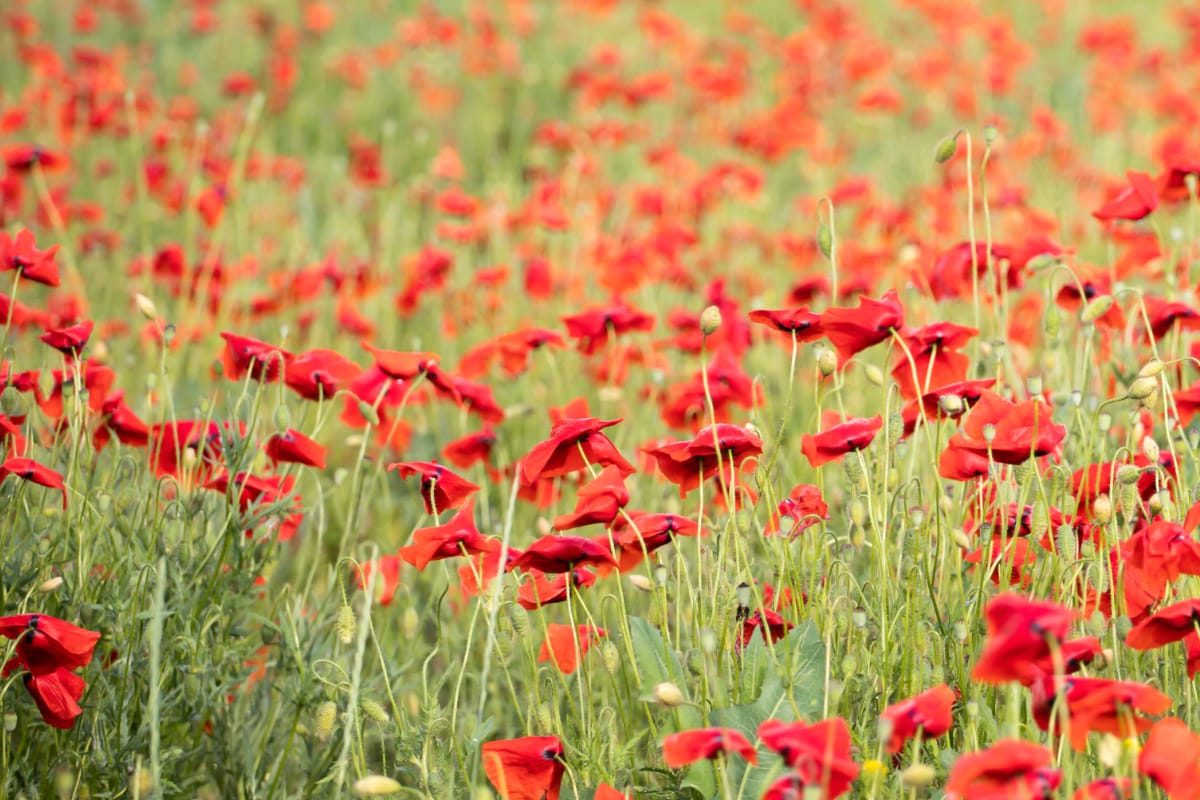
Poppies were one of the very first wildflowers I introduced to my garden, and I have absolutely never looked back. There is nothing quite like the sight of the native Field Poppy (Papaver rhoeas) swaying in the breeze, its brilliant scarlet petals and striking black bases creating a truly iconic British display.
They are an absolute joy to watch as bumblebees and other local pollinators scramble inside the delicate cups for pollen. However, introducing this cornfield annual to a residential village setting taught me a very important lesson about boundaries. Suffolk is a very windy place to leave, because of this, sowing poppy seeds can prove difficult. Because a single poppy flower can produce thousands of tiny, weightless seeds, you have to be mindful of how easily they spread if you want to keep both your borders and your neighbours happy.
1. The Realities of Poppy Seed Control
Because Field Poppies are true annuals, they complete their entire life cycle within a single year. Their survival strategy relies on sheer numbers, meaning they self-sow with incredible ease. In our area, this requires two specific considerations:
- The Flight of the Seed: When you are sowing the fine seeds in spring, or when the mature seed heads open in autumn, a sudden or continuous gust of Suffolk wind can easily carry them over the fence. They can quickly end up in neighbouring gardens, and long roads where a wild red wave might not be quite so welcome.
- Timely Deadheading: If you want to strictly control where your poppies pop up next year, you must remove the beautiful, pepper-pot seed heads before they mature and crack open.
If a few rogue seedlings do drift into unwanted places, do not panic. Their fuzzy green saplings are very easy to recognise in early spring and can be lifted or hoed away effortlessly before they develop their deep taproots. Even if left to grow, they are easy to pull out by hand.
2. Straightforward Sowing in the Borders
In the wild, poppies are opportunistic plants, traditionally thriving in freshly disturbed arable land and roadside verges. In a garden setting, they are wonderfully unfussy. While books will tell you they prefer rich soil, I have found they survive and bloom beautifully even on our poor, sandy Suffolk ground.
They grow up to 90cm in height with a neat 30cm spread, making them ideal for dotting among herbaceous perennials or weaving into an annual wildflower meadow.
Our Simple Five-Step Sowing Method
The absolute best time to sow poppy seeds is during March, April, and May.
- Clear the ground: Select a bright position in full sun. Completely clear the chosen patch of any aggressive weeds and dense grass.
- Prepare a fine tilth: Rake the soil thoroughly until it has a fine, crumbly texture. This gives the tiny seeds the perfect surface to settle into.
- Scatter the seeds: Sprinkle the poppy seeds thinly over the prepared ground. Choose a calm day so the seeds do not blow straight into your paths or the garden next door!
- Settle them in: Gently rake the area once more to lightly settle the seeds into the soil surface. Poppies need light to germinate, so do not bury them deeply.
- Water during dry spells: If the spring weather is very dry, mist the area gently with water until you see the first green shoots begin to emerge.
3. Pots vs. Open Ground
While direct sowing onto open soil is the easiest path, you can also start poppies in containers if you want to carefully control their early placement.
If you grow them in pots, they can be carefully transferred into the ground during May and June. Just be mindful to disturb their roots as little as possible during the move, as they dislike being moved once their taproot starts to plunge down. Once settled, they will reward you with a continuous, dazzling display throughout June, July, and August.
Where to Buy UK-Native Field Poppy Seeds
Growing poppies is a beautiful, rewarding way to support our native bumblebees and bring a piece of traditional British countryside into your garden. By managing the seed heads responsibly, you can enjoy their stunning scarlet colour year after year without overwhelming your borders.
Shop Native Poppies: We offer authentic, UK-sourced Papaver rhoeas seeds, identical to the ones we grow and manage in our own garden. Click here to buy Field Poppy seeds from our online shop.
About the Author & Content Disclaimer
The advice in this post is based on 10+ years of hands-on experience testing seeds in our sandy Suffolk Garden.
While I love sharing my journey and the things I discover, please understand that I am not a certified professional in gardening or wildlife. I ground my content by deep-diving into reliable books and expert resources, but please use my advice only as a guide for your specific garden.
I use and sell the same UK-sourced, wildlife-approved seeds in my own garden that you see throughout this site. Shop our seeds here.
If you notice any inaccuracies or have additional insights to share, please feel free to contact me via this website's contact forms.