Nothing in Basket!
The Carefree Meadow Classic: How to Grow Oxeye Daisies in Sandy Soil
All you need to know about growing beautiful oxeye daisies.
- Sow: March and April
- Plant: May and June
- Flowers: May through to September
- Loved by: Bees, butterflies, moths, and birds
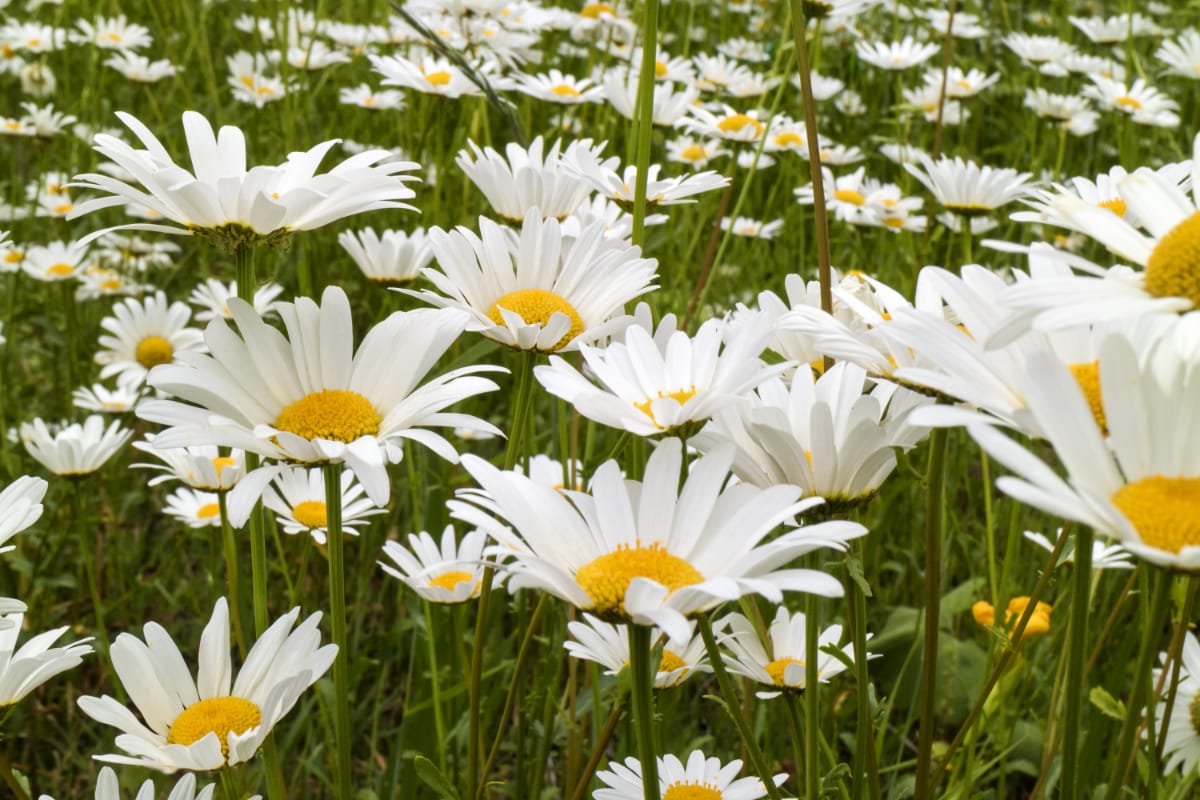
If you want to bring the sweeping, joyful feel of a British wildflower meadow into your garden, the Oxeye Daisy (Leucanthemum vulgare) is the ultimate choice. These hardy perennial wildflowers are a magnet for life. Their nectar-rich, solitary white blooms support an abundance of bees, beneficial insects, and butterflies, while their foliage serves as a vital food plant for various moth caterpillars. Later in the season, their seed heads turn into a natural bird feeder, providing a rich treat for visiting birds.
Thriving in the Sun: Where to Plant Oxeye Daisies
In their natural habitats, you will find these daisies dancing across open grasslands and traditional meadows. In a garden setting, they reach a height of around 40cm and a spread of 30cm, making them the perfect fit for the front or middle of a sunny border.
Oxeye daisies absolutely thrive in a south or west-facing position that bathes them in full sun. While they can become a bit too rampant if left to their own devices in highly fertile ground, they have an absolute preference for light, sandy, and well-drained soil. This makes them a spectacular performer for challenging, free-draining coastal or cottage gardens where other plants might struggle to stay hydrated.
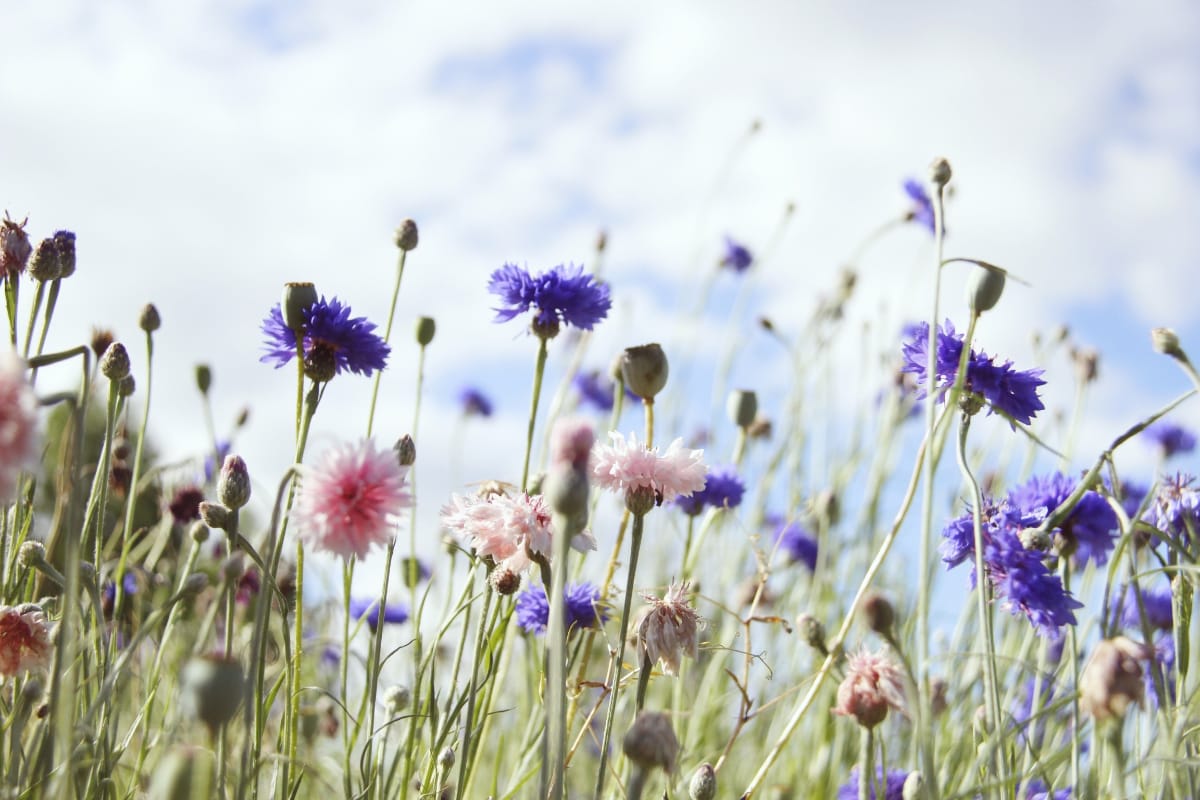
To create a breathtaking, classic British summer display, I highly recommend growing cornflowers and poppies right alongside your oxeye daisies. The vibrant blues and deep reds contrasting against the crisp white petals are a beautiful sight.
How to Grow Oxeye Daisies From Seed
The absolute best thing about Leucanthemum vulgare is just how brilliantly self-sufficient it is. In my own sandy Suffolk garden, I have only ever had to sow these seeds once.
If you leave the flower heads to mature at the end of summer, they will scatter their own seeds and self-sow beautifully year after year. Because they are such successful self-seeders and spread naturally, they can occasionally populate open ground a little too enthusiastically. When they start to take over, I don't use chemicals or fuss; I simply dig the excess plants out by the roots and drop them straight onto the compost heap to nourish the soil elsewhere.
- Spring Sowing: Sow once in pots or scatter directly onto sandy soil.
- Late Summer Display: Leave spent flower heads intact to self-seed naturally.
- Autumn Maintenance: Dig up any overcrowded clumps and add straight to the compost.
Your Sowing and Growing Routine
- Starting Them Off: You can sow the seeds during March and April. While you can scatter the seeds directly onto weed-free soil wherever you want them to appear, you can also start some in pots under a bit of cover to give them a strong head start and use them to fill any gaps in your borders.
- Planting Out: Once the risk of harsh frost has passed in May and June, your young pot-grown daisies are ready to be planted out into their permanent, sun-drenched homes.
- Ecosystem Control: Every few years, keep an eye on their footprint. If they begin crowding out their neighbours, simply lift the extra clumps with a garden fork in autumn or early spring.
Where to Buy Our UK-Sourced Oxeye Daisy Seeds
It is incredibly rewarding to establish your own self-sustaining wildlife haven. I sell the exact same high-quality, wildlife-approved seeds on my website that I use to brighten my own borders.
Click here to buy your native Oxeye Daisy Seeds now.
About the Author & Content Disclaimer
The advice in this post is based on 10+ years of hands-on experience testing seeds in our sandy Suffolk Garden.
While I love sharing my journey and the things I discover, please understand that I am not a certified professional in gardening or wildlife. I ground my content by deep-diving into reliable books and expert resources, but please use my advice only as a guide for your specific garden.
I use and sell the same UK-sourced, wildlife-approved seeds in my own garden that you see throughout this site. Shop our complete seed range here.
If you notice any inaccuracies or have additional insights to share, please feel free to contact me via this website's contact forms.