Nothing in Basket!
The Wild-Cultivated Balance: How to Have a Beautiful Garden That Helps Nature Thrive
Many gardeners worry that "going wild" means letting the garden turn into an eyesore. I'm here to tell you that you don't have to choose between a stunning, colourful border and a haven for bees.
In my Suffolk garden, I've spent over a decade finding the "sweet spot", where human-led design meets natural abundance. The secret isn't doing less; it's doing things differently.
Start your transformation: The easiest way to bridge the gap between "tidy" and "wild" is with a dedicated wildflower border. Shop my Nectar-Rich Native Seed Collections here.
1. What Kind of Gardener Are You?
Understanding your "intervention level" helps you set realistic goals for your space.
- The Cultivated Garden: High maintenance, high chemicals, low wildlife. Beautiful to some, but often a 'green desert' for pollinators.
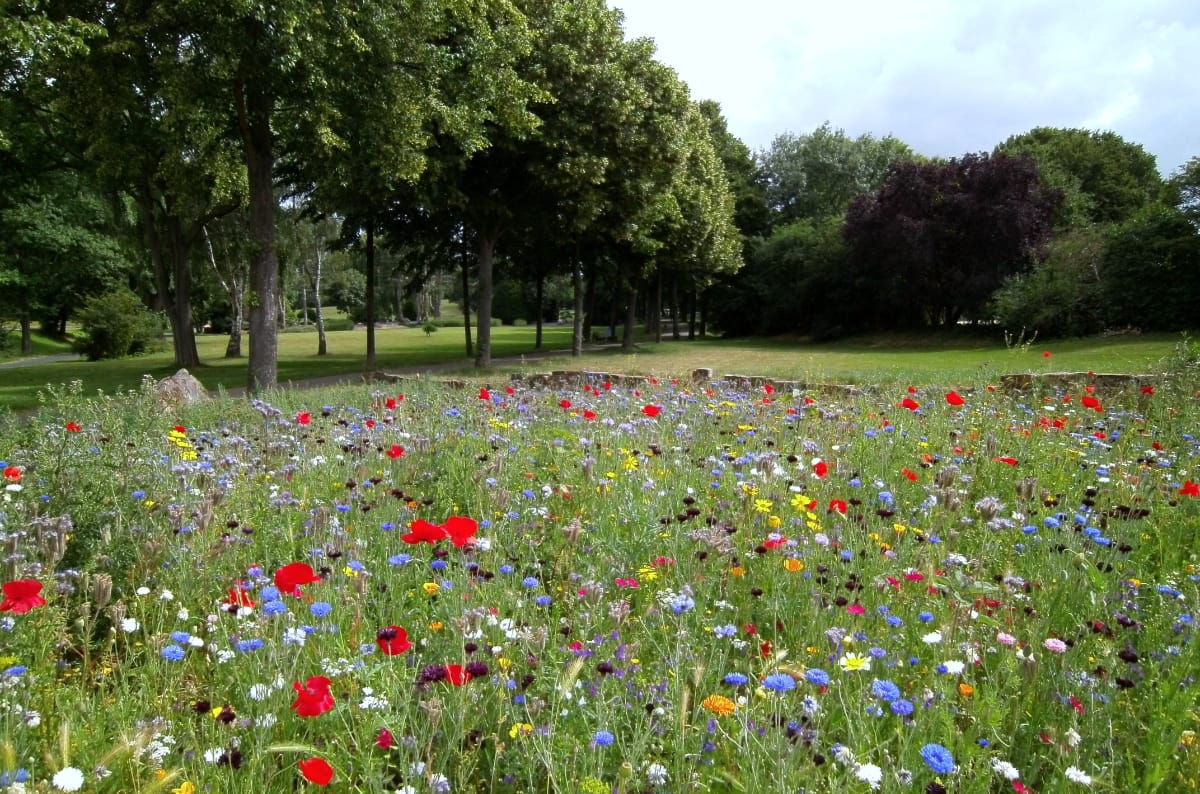
- The Wildlife-Friendly Garden (The "Sweet Spot"): This is what I aim for. We use no-dig methods, avoid pesticides, and let the grass grow a little longer, but we still keep things shaped and intentional. Often sowing annual wildflower seeds where there is a gap within a cultivated border.
- The Re-Wilded Garden: Minimal intervention. You act only as a "proxy" for grazing animals (cutting once a year). It's beautiful in its own rugged way, but requires patient neighbours!
Christina's Tip: If you're worried about the neighbours, start small. A defined "Wild Square" in a neat lawn, shows that the "mess" is intentional and full of life. I tend to mow a pathway through my front gardens wilder looking lawn. This seems to keep my neighbours happy, but they also know it will be tidy later in the year, as well as seeing me in the garden hunting for the bugs.
2. Choosing Your Players: Native vs. Non-Native
A balanced garden needs layers: trees, shrubs, and flowers.
Why Native is Best (usually)
Native UK plants (like those in my seed mixes) have co-evolved with our insects. A native Oak tree supports over 2,000 species; a non-native tree might only support a handful.
The Role of Non-Natives
With our climate changing, I sometimes include hardy non-natives. For example, my American Prairie Mix is designed to withstand both the droughts and flooding we are seeing more of through Britain, providing a reliable nectar source when native meadows might struggle.
3. Planting for Your "Local Residents"
For the Bees
Bees need a "succession" of flowers from early spring to late autumn.
- Top Picks: foxgloves, Viper's bugloss, Red Clover, and Cornflowers.
- Christina's Advice: Plant in "drifts" (groups of 3-5). It's easier for a bee to see a big splash of colour than a single flower.
For Butterflies & Caterpillars
Butterflies need nectar for the adults and "host plants" for the babies.
- Nectar: Musk mallow, Knapweed, and Scabious.
- Egg-Laying: Nettles, ivy, and Bird's-foot Trefoil.
For Hedgehogs & Birds
They need "the bits in between."
- Hedgehogs: Love long grass where slugs and snails hide.
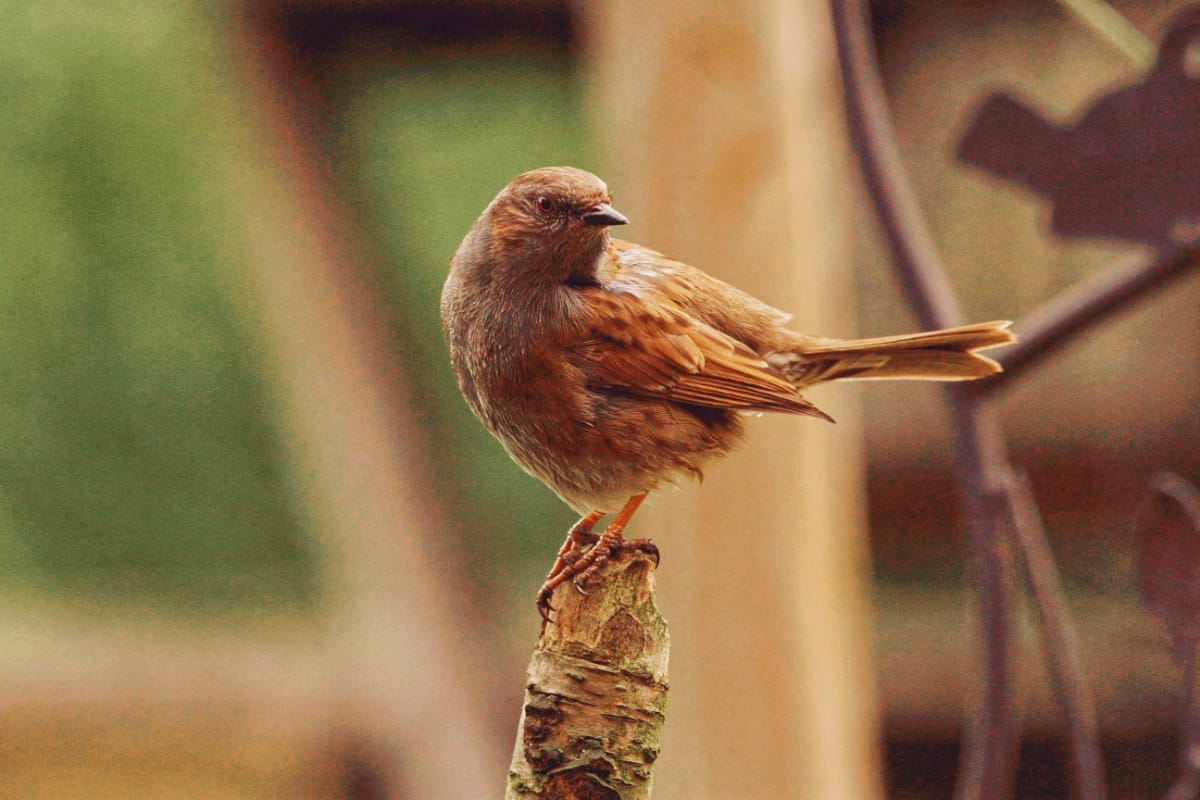
- Birds: Need seed heads in winter. Don't be too quick to tidy up in October! Leave the stalks of Teasels and Sunflower for the Goldfinches. Plant bushes that fruit during winter, such as Pyracantha.
4. The Three Golden Rules of Wildlife Gardening
Rule 1: Add Water
Even a shallow dish of water with pebbles (to give bees a landing pad) will change your garden overnight. If you can fit a pond with a "beach" (shallow end), you'll attract frogs, newts, and bathing birds.
Rule 2: Ditch the Pesticides
Pesticides don't just kill "pests"; they kill the food source for your birds and hedgehogs. Once you stop spraying, the predators (ladybirds and lacewings) will move in to do the work for you.
Rule 3: Be Patient
This was the hardest lesson I had to learn. Nature doesn't work on a delivery schedule. It might take a season for the bees to find your new wildflower patch, but once they do, they'll return every year.
Ready to see more life in your garden?
The best time to start is today. Whether you have a window box or an acre, you can make a difference.
Click here to browse our UK-Sourced, Nectar-Rich Seeds and start your wild journey.
About the Author & Content Disclaimer
The advice in this post is based on 10+ years of hands-on experience testing seeds in our sandy Suffolk Garden.
While I love sharing my journey and the things I discover, please understand that I am not a certified professional in gardening or wildlife. I ground my content by deep-diving into reliable books and expert resources, but please use my advice only as a guide for your specific garden.
I use and sell the same UK-sourced, wildlife-approved seeds in my own garden that you see throughout this site. Find my proven seed varieties here.
If you notice any inaccuracies or have additional insights to share, please feel free to contact me via this website's contact forms.