
Nothing in Basket!
Ultimate Guide to Attracting & Supporting UK Bees (Honeybees, Bumblebees & Specialists)
1. Why Wild Bees Need Your Help
The UK has about 270 species of bee, most of which are solitary bees. Wild bees are facing a sharp decline due to pesticide use, habitat loss, and competition.
The Problem with Honeybee Farming
While our well-intentioned efforts to aid bees often focus on honeybees, high densities of farmed honeybees (the UK has an estimated 274,000 hives) can unintentionally harm native wild bees.
- Competition: Honeybees are generalists and, when kept domestically, they can out-compete native species for food, monopolising flowers.
- Specialists vs. Generalists: Of the 270 UK species, 250 are solitary bees that are specialists, feeding on the pollen or nectar of just one or a few specific plants. Generalist honeybees can easily out compete them.
- Disease Spread: Beekeeping is essentially farming. Hive bees are particularly vulnerable to parasites and diseases, which can spread to wild populations.
The most effective way to support wild bee populations is through restoring and protecting natural habitats.
2. Nectar & Pollen Plants: A Continuous Supply
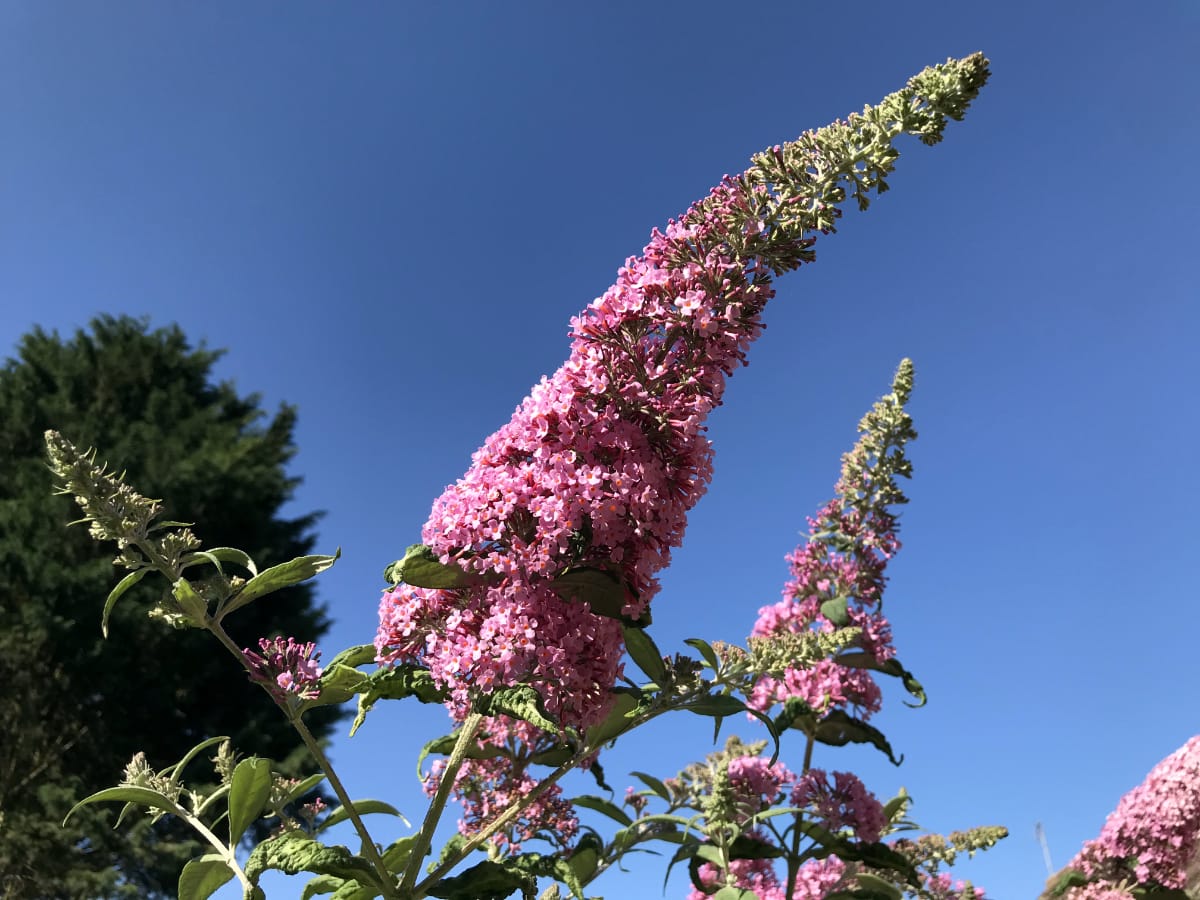
Worker bees show a preference for flowers that give them the highest yield of pollen and nectar. Once a bee finds the right flower, it won't be long before many others follow. Always choose single flowers over double flowers, as the extra petals on double varieties often make the nectar inaccessible.
Year-Round Support: Winter into Spring
Bees can be seen out and about from February onwards, especially when days reach 10°C. Providing sources of pollen and nectar during these cold months is crucial to avoid starvation.
- Aconite: Flowers January - February. Bright, buttercup-like flowers. Ideal for naturalising under trees.
- Winter Flowering Heather (Erica carnea): Flowers January - April. Highly rewarding flowers. Nectar chemical in Calluna heather can act as medicine against a harmful parasite.
- Winter Flowering Honeysuckle (Lonicera fragrantissima): Flowers January - March. Bushy, deciduous shrub with highly fragrant, cream flowers.
- Oregon Grape (Mahonia): Flowers November - March. Clusters of scented winter flowers are a magnet for bees. Followed by dark purple berries.
- Evergreen Clematis (C. cirrhosa): Flowers December - February. Pale flowers from late autumn. Varieties include 'Freckles' and 'Wisley Cream'.
- Willow (Salix species): Flowers April - May. Crucial early nectar source. Catkins appear before the leaves, attracting bumblebee queens.
- Primrose (Primula vulgaris): Flowers March - May. Native woodland flower, perfect for shady banks.
- Strawberry Tree (Arbutus unedo): Flowers September - November. Evergreen tree with bell-shaped, creamy-white or pink flowers in autumn.
Summer & Late-Season Nectar Powerhouses (Bumblebees & Honeybees
- Borage: Masses of nectar that attract bumblebees and honeybees. Easy to grow in full sun/dappled shade. Flowers are edible.
- Ecninops (Globe Thistles): Tiny flowers held closely together, meaning bumblebees save energy by not having to move much. Spherical heads in steely blues/purples.
- Foxgloves: Large species of bumblebee always found climbing into the tubular blooms. To maintain a continuous display, collect seeds and grow on in pots (requires a 3-year cycle).
- Lavender: Great all-round plant attracting bumblebees, butterflies, and honeybees. Perfect for hot, sunny, dry positions near pathways.
- Penstemons: Important source of late nectar from early summer all the way through to late autumn (June - November). Bell-shaped flowers, very easy to grow.
- Single flowered Dahlias: Valuable source of late nectar when regularly deadheaded. Choose single-flowered varieties as multi-petal ones make nectar hard to reach.
- Scabious: Broad flower heads packed with small flowers, creating a great landing pad for bumblebees. Popular with wilder habitats.
- Chives & Rosemary: Chives attract bumblebees, mason bees, and hoverflies (flowers are edible). Rosemary is a magnet for bumblebees in hot, dry spots. Both are aromatic herbs great for cooking.
- Marjoram/Oregano: Aromatic herb with pale pink flowers that attract all manner of pollinators, including bumblebees.
- Cransbill Geranium: Reliable flowers from spring until late autumn. Spreads naturally and can be divided.
- General Favourites: Sunflowers, Comfrey, Catmint, Centaurea, Viper's Bugloss, Verbena bonariensis, and Rudbekia.
Specialist Bee Food Plants
- Bellflowers: Gold-tailed Melitta (Bellflower Blunthorn Bee) - Small Scissor Bee. Medium, dark body, yellow-orange leg hairs, distinct orange tip on abdomen.
- Yellow Loosestrife (Lysimachia vulgaris): Yellow-Loosestrife Bee - Medium-sized dark bee with swollen back legs (females use floral oils to waterproof nests).
- Willows (Salix species): Clarke's Mining Bee, Sallow Mining Bees, Northern Mining Bee - Females are slightly larger than honeybees with a furry reddish-orange thorax.
- Lamb's Ear (Stachys byzantina): Woold-Carder Bee - Large, robust bee with a dark body and clear lines of yellow spots (females use leaf fibres for nests).
- Ivy (Hedera species): Ivy Bee - Honeybee-sized, orange thorax, yellow and black stripes; active in autumn.
- Scabiouses (Knautia, Scabiosa, Succisa): Small/Large Scabious Mining Bee - Small black bee, females often have a dull reddish abdomen.
- Magnonette (Reseda species): Large Yellow-Face Bee - Fairly small black bee with a pale yellow face (males) and black legs.
- Dandelions & Relatives (Taraxacum): Pantaloon Bee, Small/Large Shaggy Bees, Hawksbeard Mining Bee - Medium, shiny black bee with sparse hairs and yellow pollen brushes on female legs.
- Buttercups (Ranunculus species): Large Scissor Bee - Long, thin, dark body with pale abdominal bands; often found resting inside the flower.
- White Bryony (Bryonia dioica): Bryony Mining Bee - Honeybee-sized, dull orange-bronw thorax and an abdomen with two reddish bands.
3. Creating Bee-Friendly Habitats & Ecosystems
Habitat loss is a major threat to wild bees, depriving them of essential food sources, nesting sites, and shelter. Restoring and protecting natural habitats is the most effective way to help.
Simple Steps to Attracting Bees to Your Garden
- Plant Diversity is Key: Incorporate a diverse range of flowers with varying shapes, sizes, colours, and blooming periods to ensure a continuous nectar and pollen source from early spring to late autumn.
- Rethink "Weeds": Embrace dandelions, daisies, and Red Cover. Red Clover can appear naturally in grass if it's left to grow and weed killer isn't used.
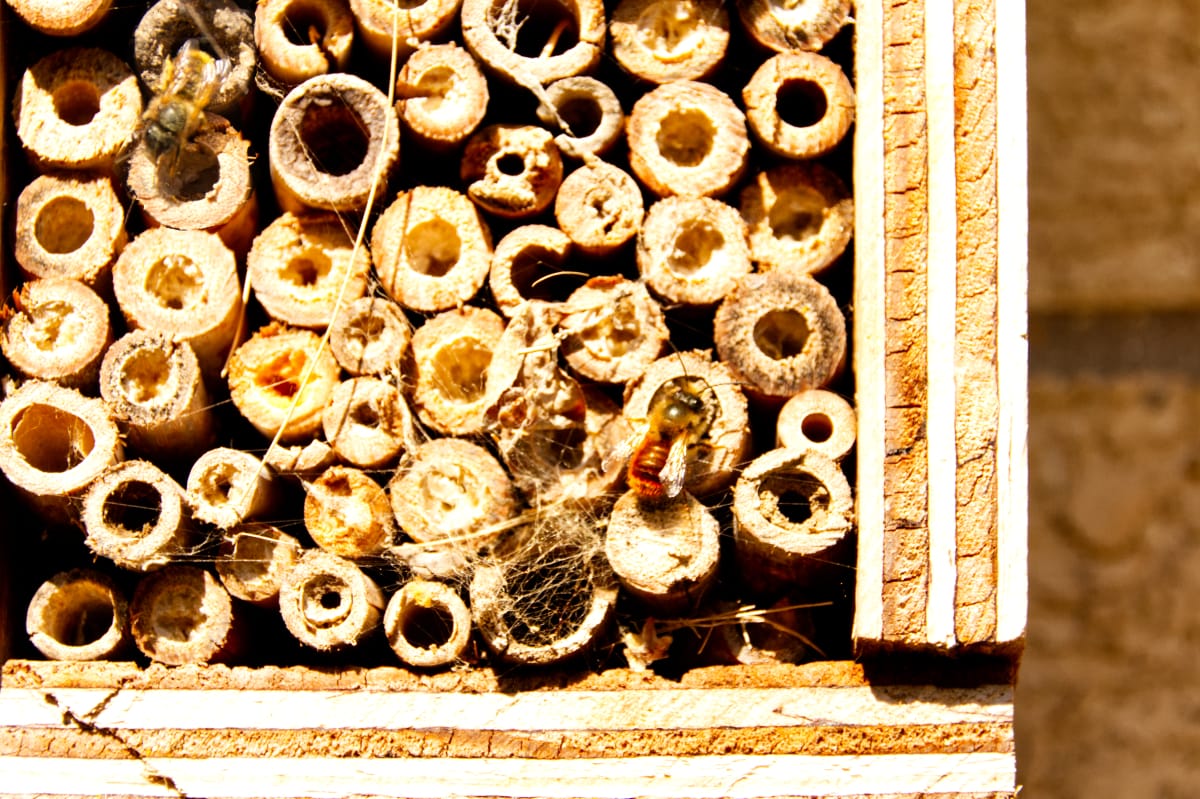
- Build a Bee House: Engage in a family project by building or purchasing bee and bug houses to provide nesting sites for solitary bees.
- Embrace Native Plants: Wildflowers, flowering trees, and shrubs (apple, wild cherry, willow, hazel) provide abundant food.
The Role of Hawthorn (Crataegus Monogyna)
Hawthorn is a true champion of the wildlife garden, providing immense benefits for bees, birds, and small mammals.
- A Beacon of Spring: Its fragrant flowers are a magnet for bees and other pollinators as early as may, helping to ensure the continuation of our precious ecosystems.
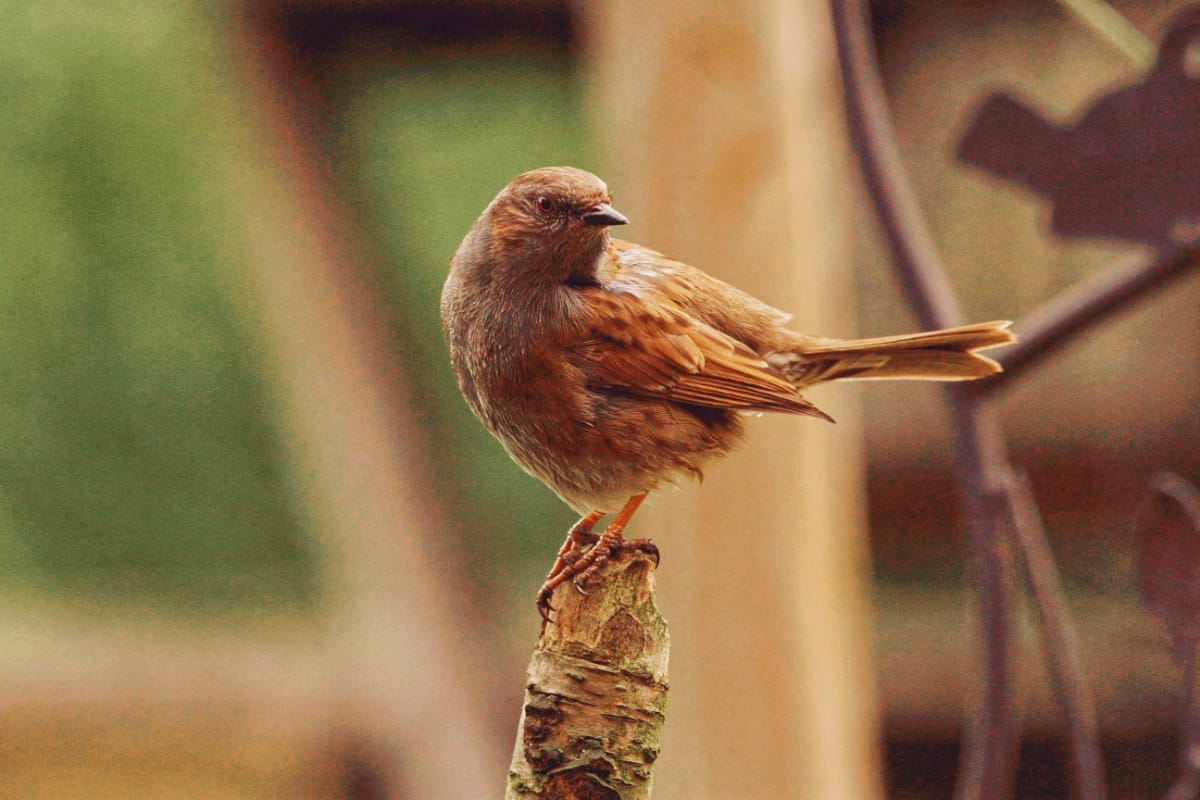
- A Feast for Birds: The shrub's dense foliage provides a safe haven for nesting birds, while its juicy haws (fruits) offer a delicious feast throughout the autumn and winter months.
- Planting Tips:
- Hedges: Plant saplings 45-60cm apart for a dense hedge. Prune the leading shoot of new hedges to encourage bushy growth.
- Trees: Plant bare-root plants between October and February, or container-grown trees year-round. Staking is beneficial for the first 18-34 months.
- Pruning: Avoid pruning between March and August to avoid disturbing nesting birds. For hedges, shaping the sides to narrow toward the top (like an A) ensures all branches get enough sunlight.
The "No-Mow" Approach & Dead Trees
- Super lawns: Letting your grass grow taller encourages a wide variety of wildflowers. A 2020 Plantlife survey found that simple changes to mowing regimes can create 'superlawns' with enough nectar for more than ten times the number of bees compared to a regularly mown lawn.
- Dead Trees: Standing dead trees with cavities in the 40-60 litre range provide ideal nesting sites for wild bees, reducing their reliance on less suitable sites like attics or roofs.
Pesticides and Pet Treatments
- Say No to Pesticides: Pesticides are a major culprit in the decline of insect populations. Avoid using them, as they harm bees and other beneficial insects.
- Pet Medications: Many flea and worm treatments for dogs and cats contain harmful pesticides (like imidacloprid). Runoff carries these chemicals into waterways and soil. Only treat pests and parasites when absolutely necessary and explore safer alternatives.
The Role of Domesticated Animals (Rewilding Principle)
When managed naturally, certain domesticated animals can contribute to biodiversity by creating unique micro-habitats:
- Cattle: Compacted soil creates nesting ground for solitary sweat bees and temporary ponds.
- Pigs: Their intense rootling opens up dense vegetation, allowing new plants and solitary bees to thrive.
- Horses: Compacted horse paths provide essential nesting grounds for solitary bees and wasps.
4. Key Takeaways
Focus on fostering natural landscapes in your garden. Avoid using pesticides, herbicides, and fertilisers. In many cases, the most effective way to support wild bees is to allow your garden to grow naturally. This provides them with diverse food sources, nesting opportunities, and shelter, all without requiring additional purchases or interventions.
About the Author & Content Disclaimer
The advice in this post is based on 10+ years of hands-on experience testing seeds in our sandy Suffolk Garden.
While I love sharing my journey and the things I discover, please understand that I am not a certified professional in gardening or wildlife. I ground my content by deep-diving into reliable books and expert resources, but please use my advice only as a guide for your specific garden.
I use and sell the same UK-sourced, wildlife-approved seeds in my own garden that you see throughout this site. Find my proven seed varieties here.
If you notice any inaccuracies or have additional insights to share, please feel free to contact me via this website's contact forms.