Nothing in Basket!
From Roadside Beauty to Early Nectar: Growing Red Valerian in Dry Soil
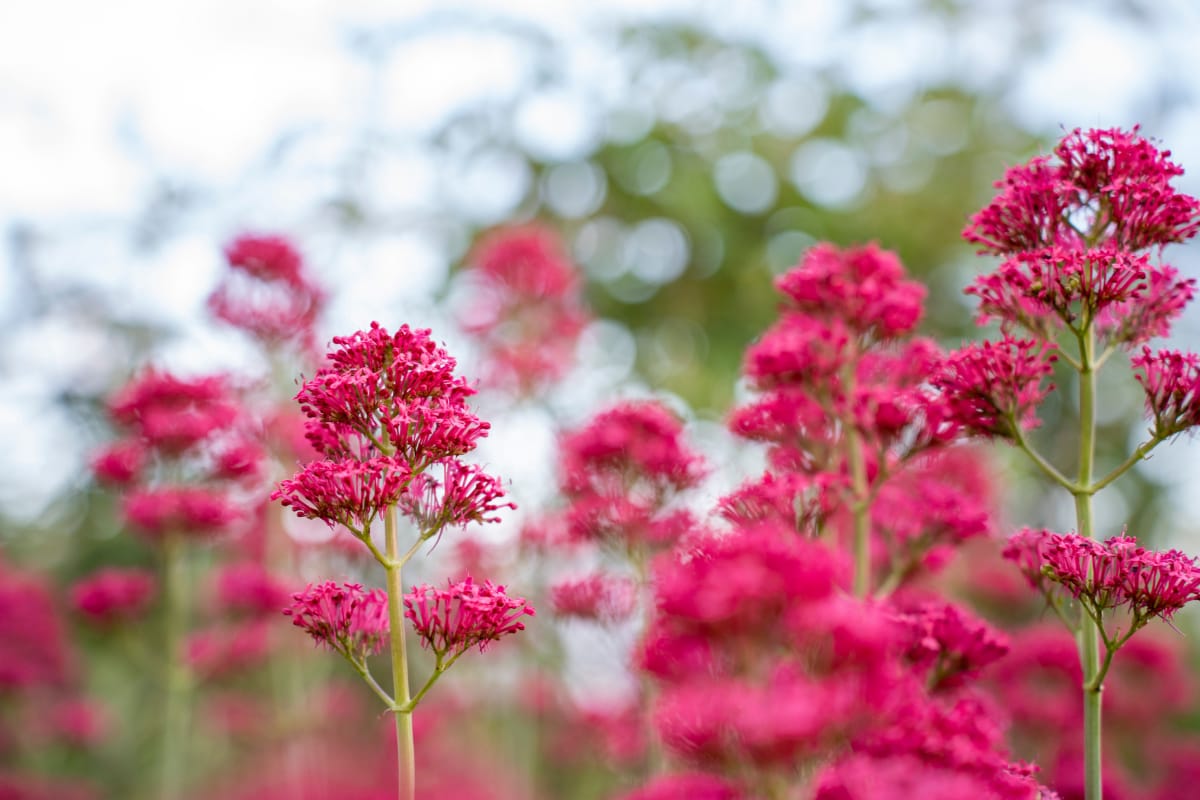
For years, I noticed flashes of bright crimson and pink growing along many of our local roadsides. It is such a pretty, resilient plant, often thriving in the most inhospitable cracks in concrete or gravel banks.
After doing some research, I decided it would probably work beautifully in our garden. Our local Suffolk conditions can get intensely hot and very dry, meaning we need plants that can cope with a struggle. I decided Red Valerian (Centranthus ruber) fit the bill perfectly. Not only is it incredibly drought-tolerant, but it also has a massive ecological benefit: it bridges a vital gap for pollinators by flowering well before our Buddleja and Verbena. In fact, it has successfully brought the spectacular hummingbird hawk-moth into our garden as early as May.
1. Managing the Self-Seeding Balance
If you want a plant that establishes easily and fills gaps without costing a fortune, this is the one. Red Valerian is a prolific self-seeder, which is brilliant for a natural wildlife garden, but it does require a tiny bit of discipline.
Fortunately, managing the spread is incredibly straightforward:
- Spotting the Saplings: The young seedlings are very distinct and easy to spot against our sandy soil.
- Thinning and Moving: If too many pop up in one spot, I simply pull them out. The young saplings are robust enough to be moved directly into empty spaces. Within my sandy soil, even the establish plants can easily be pulled out by hand.
- Deadheading: To naturally limit their spread, you can cut back the flower heads before the seeds ripen. As a bonus, this quick tidy-up encourages a second flush of blooms later in the summer.
2. The Ideal Conditions for Red Valerian
This hardy herbaceous perennial grows to a height of about one metre, with smooth, oval green leaves scaling up the stems. Because it originates from the Mediterranean, it thrives best in neutral to chalky, free-draining soils that sit in full sun.
While it can tolerate partial or lightly dappled shade, you will get far fewer flowers if it is starved of light. It is worth noting that if you plant it in rich, highly fertile soil or in a shady spot, the growth tends to become floppy, meaning the stems may require staking. Kept in poor, dry soil, it forms sturdy, self-supporting woody clumps that slowly expand up to 60cm across.
3. Red Valerian vs. Common Valerian
There is often a bit of confusion surrounding the name of this plant. It is important to distinguish Red Valerian from the traditional herb known as common Valerian (Valeriana officinalis).
While Red Valerian has no toxic effects whatsoever, it holds absolutely no medicinal value. Common Valerian, on the other hand, looks entirely different and its roots have been used in herbal remedies for centuries. We grow our Red Valerian purely for its visual charm and its immense value to our local insects.
4. Perfect Cottage Garden Companions
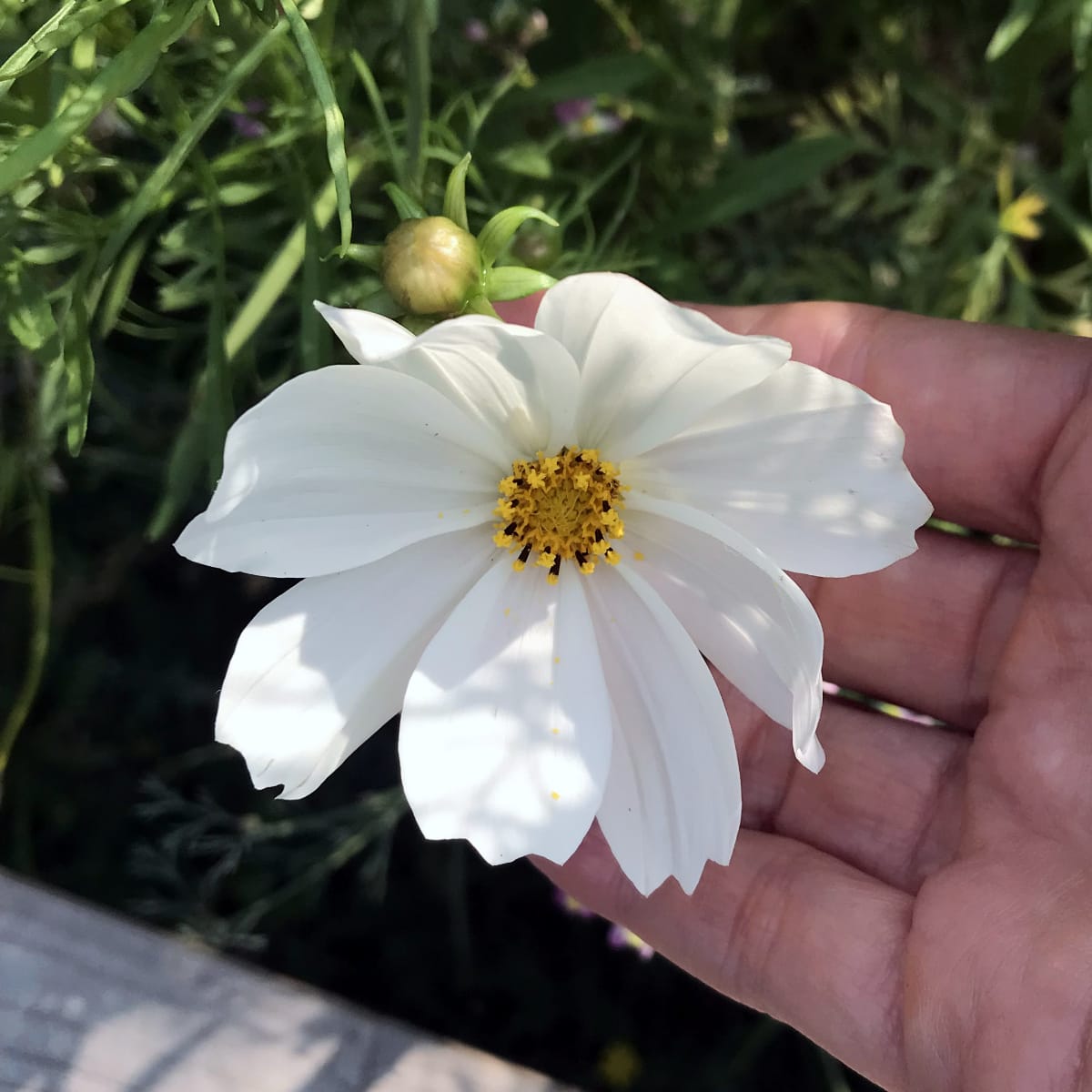
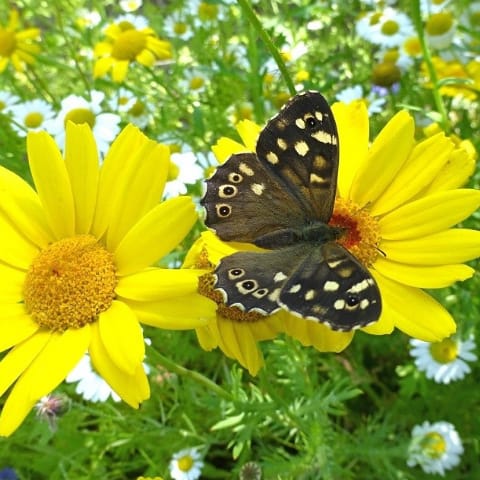
Because Red Valerian handles harsh, sun-baked environment so well, it pairs beautifully with other drought-tolerant cottage garden classics. When planning your mid-border displays, gravel areas, or rockeries, consider planting it alongside:
These plants all share the same love for poor soil and bright sunshine, creating a tapestry of colour that requires virtually no watering or feeding once established.
Where to Buy UK-Sourced Wildflower Seeds
If you are dealing with a hot, dry garden or a tricky gravel border, Red Valerian is an exceptional choice to kick-start your ecosystem. It is naturally resistant to deer, slugs, and most pests, making it one of the most trouble-free plants you can introduce.
Shop the Garden: Although we don't sell Red Valerian seeds (yet). We select and sell the exact same high-quality, wildlife-approved seeds that we test right here in our own borders. Browse our complete UK Wildflower Seed Range here.
About the Author & Content Disclaimer
The advice in this post is based on 10+ years of hands-on experience testing seeds in our sandy Suffolk Garden.
While I love sharing my journey and the things I discover, please understand that I am not a certified professional in gardening or wildlife. I ground my content by deep-diving into reliable books and expert resources, but please use my advice only as a guide for your specific garden.
I use and sell the same UK-sourced, wildlife-approved seeds in my own garden that you see throughout this site. Shop our seeds here.
If you notice any inaccuracies or have additional insights to share, please feel free to contact me via this website's contact forms.