
Nothing in Basket!
Saving The Cornfield Classic: Growing Corn Marigold for Late-Season Yellow
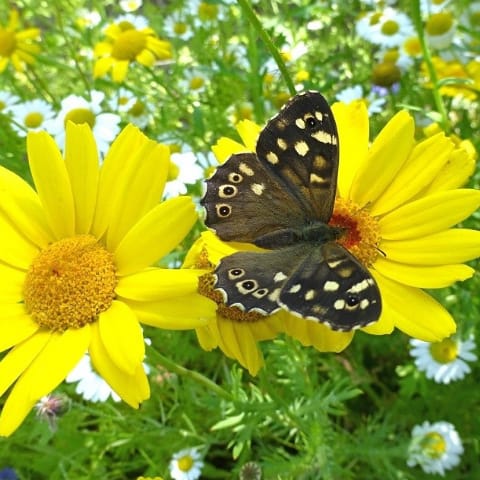
There is something deeply nostalgic about the Corn Marigold (Glebionis segetum, formerly known as Chrysanthemum segetum). These bright yellow flowers were once an abundant, joyous sight in cornfields throughout Britain. Sadly, due to intensive modern farming, they are now a rare sight in the wild and have been added to the amber list of endangered plants.
I originally included Corn Marigolds in my Suffolk garden because I absolutely love their intense pop of bright yellow colour. Over the years, however, I have discovered they serve a brilliant practical purpose in the borders. Within our garden, they have a distinct tendency to flower later in the season, bursting into full bloom just as all of the other traditional wildflowers have started to run to seed. This extends the life of the flower beds beautifully, ensuring the garden remains vibrant well into early autumn.
1. The Ultimate Magnet for Garden Beetles
While most people plant wildflowers exclusively for bees and butterflies, introducing Corn Marigolds taught me a fascinating lesson about the unsung heroes of our ecosystem: beetles.
While I occasionally spot butterflies and moths resting on the single, daisy-like flower heads, these blooms are absolutely adored by many different species of beetles. They crawl all over the 5cm wide flowers, using the flat heads as a feeding station. By adding these plants to your middle borders, you are supporting a completely different branch of vital garden biodiversity that generic "bee-friendly" lists often leave out.
2. Simple Sowing on Sandy Soil
As an annual flower, the Corn Marigold completes its life cycle in a single season, though it can occasionally act as a short-lived biennial if sown later in a mild summer.
Growing them right here in Suffolk has proved to be completely effortless. My personal method is incredibly low-maintenance:
- Direct Scattering: I tend to throw the seeds directly onto the soil in a bright, sunny spot from March through to May.
- Minimal Fuss: I do little else after scattering, and they reliably flower every single year.
- Soil Preferences: They are perfectly suited to our free-draining sandy conditions. They will tolerate most soil types, though they do dislike heavily alkaline soils that contain lots of lime.
3. Managing the Next Generation
Because they are native annuals, Corn Marigolds will naturally self-seed to return the following year. However, you do not need to worry about them becoming invasive or taking over your displays.
The young spring seedlings have distinct, divided blue-green foliage that is very easy to recognise. if they pop up somewhere unwanted, they are incredibly easy to pull up out of the loose soil and toss straight into the compost heap. Alternatively, once the autumn seed heads have turned completely brown and dried out, you can shake the seeds free, store them away in a dark, dry place, and sow them exactly where you want them the following spring.
4. Designing with Bright Yellow
The pure, uncomplicated yellow of the Corn Marigold makes it a spectacular companion plant. It creates a striking, high-contrast display when woven into your flower beds alongside other classic meadow plants. I highly recommend planting them next to:
- Oxeye Daisies (for a clean white and yellow contrast)
- Cornflowers and Purple Salvias (for a rich, complementary purple and gold look)
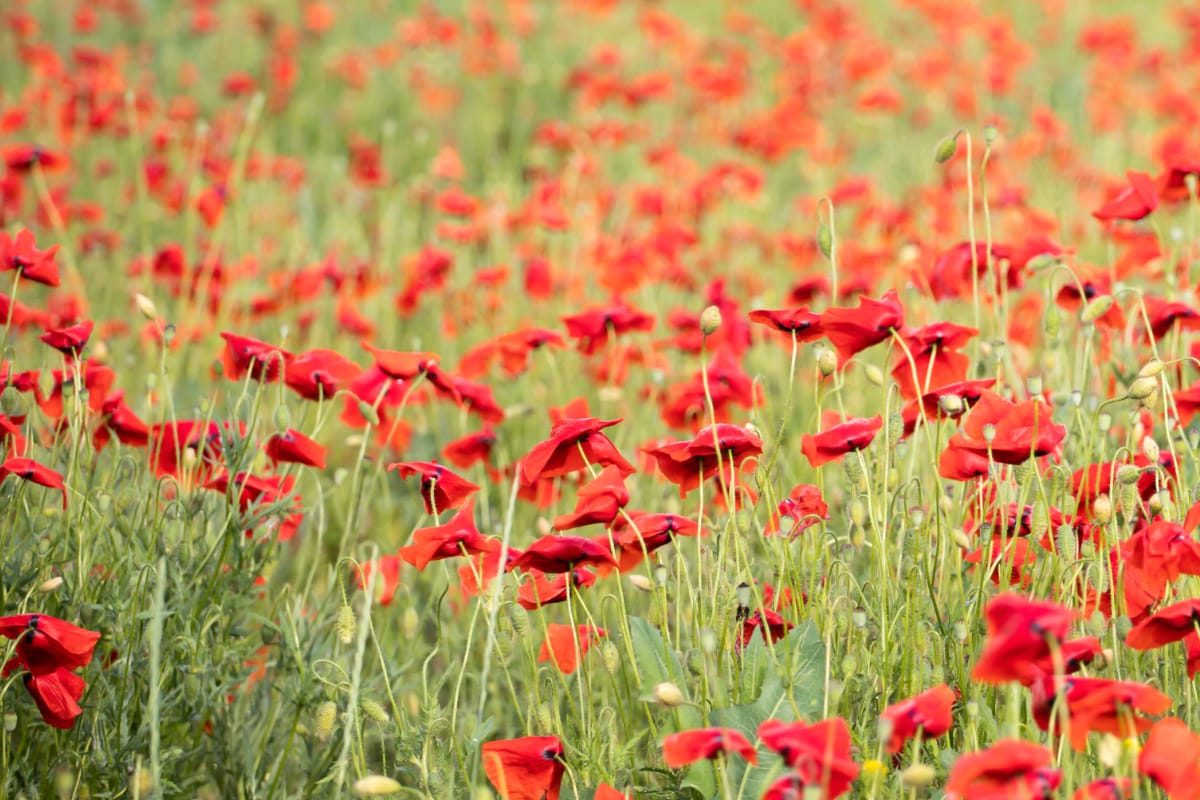
- Poppies (for that traditional, vibrant cornfield aesthetic)
Where to Buy Authentic Corn Marigold Seeds
Because this beautiful plant is fading from the British countryside, growing it in our gardens is a wonderful way to preserve its future. It makes a stunning addition to any middle border, requiring nothing more than a bit of disturbed soil and a pocket of full sunshine.
Shop Native Seeds: We select and sell the exact same high-quality, wildlife-approved seeds that we test right here in our own borders. Visit our online shop to purchase your Corn Marigold seeds today.
About the Author & Content Disclaimer
The advice in this post is based on 10+ years of hands-on experience testing seeds in our sandy Suffolk Garden.
While I love sharing my journey and the things I discover, please understand that I am not a certified professional in gardening or wildlife. I ground my content by deep-diving into reliable books and expert resources, but please use my advice only as a guide for your specific garden.
I use and sell the same UK-sourced, wildlife-approved seeds in my own garden that you see throughout this site. Shop the seeds here.
If you notice any inaccuracies or have additional insights to share, please feel free to contact me via this website's contact forms.