
Nothing in Basket!
The Sun Worshippers: Growing Sunflowers in a Windy Suffolk Garden
Sunflowers are a perfect addition to a hot, sunny, Suffolk garden.
- Sowing Time: March, April, and May
- Plant: April, May, and June
- Flowers: June, July, August, and September
- Cut Back: October and November
- Loved by: Bees, birds, squirrels, slugs, and snails
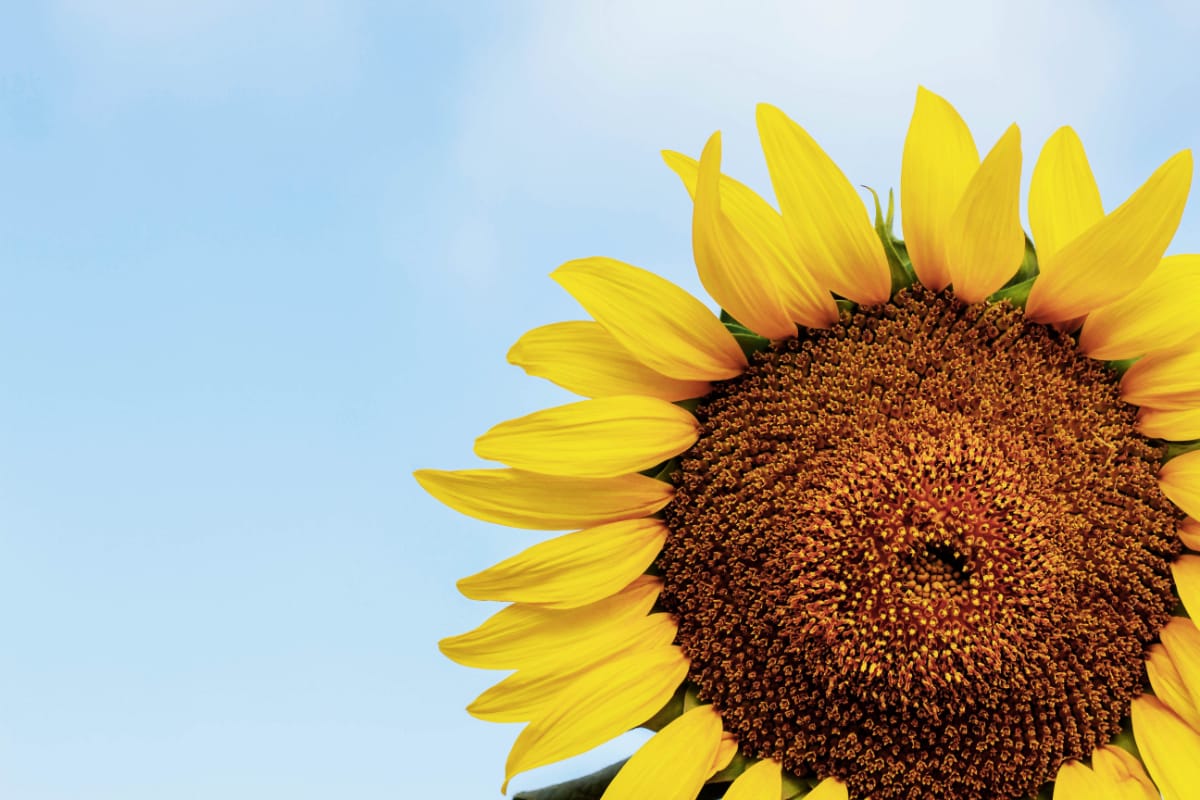
Sunflowers (Helianthus annuus) are the ultimate symbols of summer, big, bright, bold, and unashamedly joyful. They stretch across a brilliant spectrum of classic yellows, rusty reds, earthy greens, and pale whites. For wildlife gardeners, they act as bustling biodiversity hubs: bees scramble over the massive flower heads, slugs and snails graze the young shoots, and squirrels and birds eagerly await the ripening seeds. They also make magnificent cut flowers to bring that golden summer warmth indoors.
Annual sunflowers bloom from midsummer right through until the first autumn frosts, typically taking between 11 and 18 weeks to journey from seed to flower.
The No-Fuss Reality: Where to Grow Sunflowers
Traditional gardening manuals will tell you that sunflowers require rich, highly fertile soil, weekly liquid feeds, and relentless watering to achieve success. If you are growing them in containers or aiming for a world-record giant, that intensive care routine is exactly what you should follow.
However, my own experience on our poor, sandy Suffolk ground proves that nature has a wonderful way of adapting if you prefer a hands-off approach.
In my garden, I choose not to water or feed our sunflowers at all. Because of this sandy, low-nutrient environment, our plants admittedly behave a little differently, they tend to germinate and emerge much later in the season than they normally would. Right now it's mid July and they are about 2 inches tall with their first set of true leaves. Yet, despite the complete lack of intervention, they still grow to a beautiful, sturdy size. Rather than towering awkwardly over the fence line, they reach the perfect height for a middle-of-the-border position, blending seamlessly into the cottage garden scheme.
Whether you want to cultivate giant architectural specimens or compact varieties, matching them to your space is key.
- The Traditional Intensive Route: Rich compost + weekly tomato feed + heavy watering leads to Early, towering giants.
- Our Hands-Off Sandy Soil Route: Unamended ground + natural rainfall + late emergence leads to Sturdy, middle-of-border blooms.
Managing the Suffolk Elements: Supporting Your Flowers
Sunflowers are notorious sun worshippers, turning their faces to track the light across the sky. While they love a hot, open position, their height makes them highly vulnerable to structural damage.
Here in Suffolk, the wind can be quite punishing across open gardens. To combat this naturally, I have placed multiple tree posts throughout the garden. These posts serve a brilliant double purpose:
1. Avian Lookouts: The local birds absolutely love sitting atop them to survey their domain before diving down for a meal.
2. Sturdy Anchor Points: They provide heavy-duty structures for tying in multiple sunflowers as they climb.
The secret is to begin securing your stems to the stakes or posts with soft twine as soon as they start climbing. If you wait until they are fully grown, it is usually too late; the heavy flower heads will already be leaning permanently or bowing under the weight of the summer wind.
When and How to Sow Sunflower Seeds
I sell both giant and small (dwarf) sunflower seeds, allowing you to choose between structural giants or neat, bushy border fillers.
Sowing in Pots (For Precision Placement)
Sowing indoors or in a cold frame from April to May gives you total control over your garden layout. Place a single seed roughly 1.5cm deep into a 10cm pot filled with multi-purpose compost. Keep them well-watered on a bright windowsill until the risk of frost has passed, which in Suffolk is typically around mid-May, though the coldest pockets of the UK can experience frosts until early June.
The primary benefit of pot-growing is the luxury of placement; you can wait until the summer gaps naturally reveal themselves in your borders, then drop a well-established sunflower exactly where a burst of colour is needed.
Direct Sowing (The Natural Approach)
Alternatively, you can sow directly into the garden beds from late spring. I like to stagger my direct sowing across a couple of weeks. By scattering the seeds in waves, they emerge at different times, rewarding us with a much longer, continuous flowering display that carries right through until autumn.
Caring for Wildlife: The Afterbloom Lifespan
Once the vibrant petals begin to drop in autumn, the sunflower's secondary life as a wildlife sanctuary truly begins.
If you prefer a perfectly manicured garden, you can harvest the dried seed heads, pick the seeds clean, and store them in a cool, dry place over the winter to sow next spring. When I harvest mine, I always pop a few seeds directly back into the ground right there and then, allowing them to follow the exact rhythm of a wild ecosystem.
However, if you are gardening entirely for nature, I highly recommend a hands-off winter routine:
- Leave the Seed Heads: Let the spent flower heads remain structural in the borders so local birds can feast directly on the nutrient-rich oils during the initial cold snaps.
- Preserve the Stems: Once the seeds are completely cleared, do not pull the plant up immediately. Leave the sturdy, hollow stalks standing through the frost. Countless beneficial bugs use these empty stems as winter hibernation shelters.
- The Blue Tit Harvest: These insect-filled winter stems quickly turn into a foraging playground for blue tits, who visit daily to hunt out the hiding bugs.
- Spring Renewal: When spring finally arrives, pull the remaining brittle stalks out and add them to your compost heap to return those organic elements to the earth.
Where to Buy Our Tried & Tested Sunflower Seeds
Whether you want to reach for the sky or fill the middle of your borders with gold, you can buy our high-quality, UK-sourced seeds directly from our online store:
- Click here to buy giant Sunflower seeds from my shop.
- Click here to buy dwarf Sunflower seeds from my shop.

About the Author & Content Disclaimer
The advice in this post is based on 10+ years of hands-on experience testing seeds in our sandy Suffolk Garden.
While I love sharing my journey and the things I discover, please understand that I am not a certified professional in gardening or wildlife. I ground my content by deep-diving into reliable books and expert resources, but please use my advice only as a guide for your specific garden.
I use and sell the same UK-sourced, wildlife-approved seeds in my own garden that you see throughout this site. Shop our complete seed range here.
If you notice any inaccuracies or have additional insights to share, please feel free to contact me via this website's contact forms.