
Nothing in Basket!
The Enchanting Campanula Portenschlagiana: A Gardener's Delight and a Haven for Wildlife
This is one of the easiest plants I've learnt to grow, it's perfect for a beginner who wants to attract more insects into their garden including bees. It's also great at covering sandy soil so it doesn't blow away during windy weather.
Sow Seeds: March or April
Plant: May or June
Divide: March to May or September to October
Cuttings: March to May
Prune: Early spring or late winter
Flowers: Spring to late summer
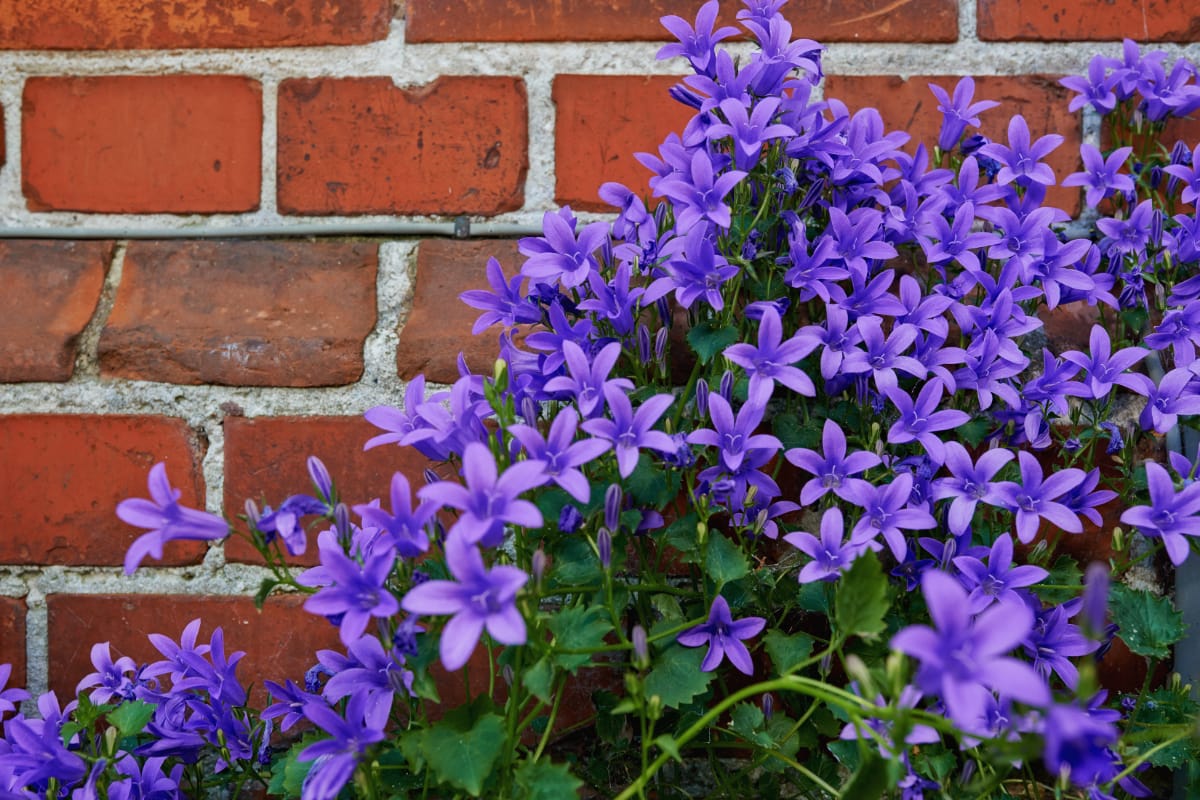
The delicate, bell-shaped blooms of the Campanula Portenschlagiana, commonly known as the Dalmatian Bellflower, have graced British gardens for centuries. This charming perennial, native to the Balkan Penninsula, is not only visually captivating but also boasts a surprising array of benefits for both wildlife and the soil.
A Flourish of Colour Throughout Summer:
Unlike many summer-flowering perennials, the Campanula enjoys cooler temperatures, extending its blooming period from late spring well into late summer. Its vibrant, violet-blue flowers adorn slender, cascading stems, creating a delightful spectacle that adds a touch of whimsy to borders, rockeries, and containers.
A Haven for Pollinators:
The nectar-rich blooms of the Campanula are a magnet for a variety of pollinators, including bees, butterflies, and hoverflies. As these vital insects flit from flower to flower, they facilitate the pollination of other plants in your garden, ensuring a thriving ecosystem.
Planting and Caring for your Campanula:
The Campanula thrives in well-drained soil in a sunny or partially shaded location. It is a relatively low-maintenance plant, requiring minimal watering once established. Deadheading spent flowers will encourage further blooming throughout the summer months.
A Sustainable Choice:
The Campanula readily self-seeds, offering a sustainable and cost-effective way to expand your garden's beauty. By allowing some flowers to go to seed, you can create a naturalised effect and ensure a continuous display of these charming bells for years to come. You can also divide the plant to create more free plants.
In Conclusion:
The Campanula is a versatile and rewarding addition to any British garden. Its delicate beauty, combined with its ecological and soil-enriching properties, make it a truly sustainable and beneficial choice for gardeners seeking to create a haven for both wildlife and their plants. So, why not consider adding a touch of Balkan charm to your garden and experience the magic of the Campanula Portenschlagiana for yourself?
About the Author & Content Disclaimer
The advice in this post is based on 10+ years of hands-on experience testing seeds in our sandy Suffolk Garden.
While I love sharing my journey and the things I discover, please understand that I am not a certified professional in gardening or wildlife. I ground my content by deep-diving into reliable books and expert resources, but please use my advice only as a guide for your specific garden.
I use and sell the same UK-sourced, wildlife-approved seeds in my own garden that you see throughout this site. Shop the seeds here.
If you notice any inaccuracies or have additional insights to share, please feel free to contact me via this website's contact forms.