

Nothing in Basket!
All you need to know about growing beautiful foxgloves.
- Sow: June, July, and August
- Plant: March, April, and September
- Flowers: May, June, and July
- Cut Back Perennials: October
- Loved by: Bees
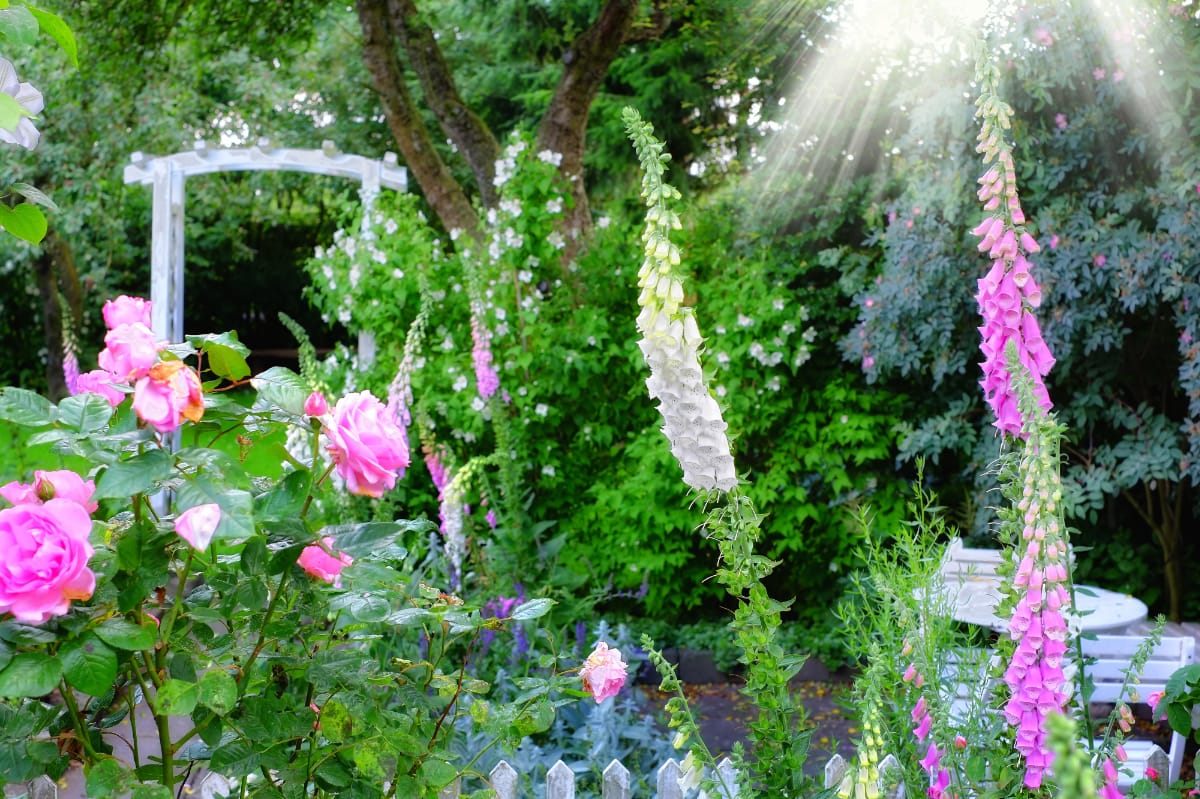
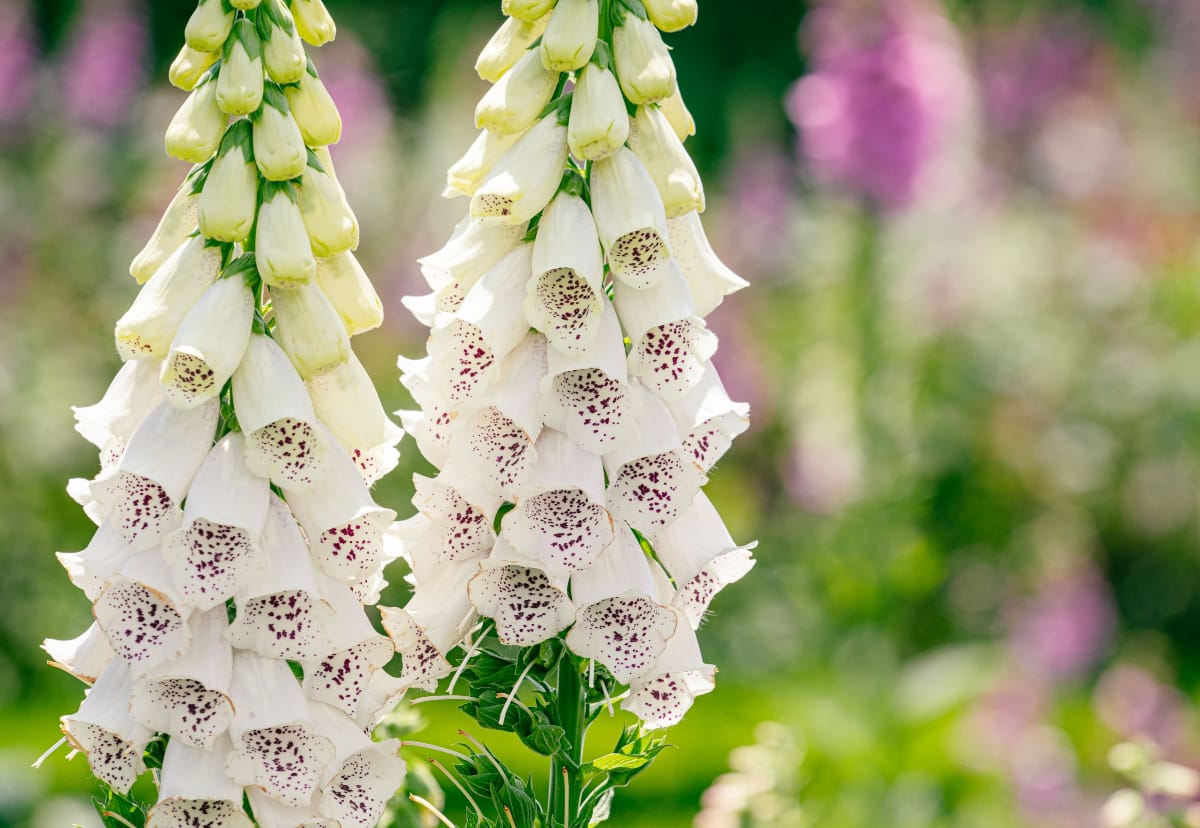
There is something inherently dramatic about the native Common Foxglove (Digitalis purpurea). Their tall, stately spires of bell-shaped flowers with beautifully spotted centres are a classic fixture of the British cottage garden.
For wildlife gardeners, they are an absolute necessity, providing deep, nectar-rich caverns that bumblebees adore climbing into. Most foxgloves are biennials, meaning they spend their first year growing a sturdy rosette of leaves, burst into magnificent flower during their second summer, and then set seed before dying back completely.
Mimicking the Margins: Where to Plant Foxgloves
In the wild, our native Digitalis purpurea thrives in dappled shade, perfectly at home along woodland clearings, timber tracks, or clustered at the foot of native hedges. When choosing a spot on your property, creating an environment that mimics these natural, semi-shaded surroundings will always yield the happiest plants.
However, trials on our poor, sandy Suffolk ground, where we aim not to improve the soil or add fertilisers other than what happens naturally, have shown just how adaptable they can be. I have noticed they do not grow quite as massive here as the giants you see on the edges of Thetford Forest. In the forest, they are fiercely fighting for light and have beautiful, nutritious soil, whereas in our open garden, they have an abundance of light. As my garden matures and becomes more shaded, then I can see no reason why they won't grow taller.
Even on poor soil, they are remarkably resilient. They thrive beautifully in our shadiest corners, but they have also proven to be perfectly happy sitting in the hot, full sun. In fact, during the intense heat wave of 2022, and more recently 2026, the foxgloves tucked into full shade areas of my garden completely survived without me ever needing to lift a watering can.
While our native variety loves partial shade, be aware that certain choice species, such as Digitalis parviflora and Digitalis obscura, require full, baking sun to thrive.
- Thetford Forest: Rich leaf mould and fierce competition for light produce tall flower spires.
- Our Suffolk Garden: Poor, sandy soil and open light conditions produce sturdy, shorter flower spires on highly adaptable plants.
How to Plant and Establish Your Foxgloves
If you are introducing young plants or plug plants, the best times to get them into the ground are during the cooler, damp windows of spring or autumn.
Step-by-Step Planting Guide
When I first started, I scattered seeds and bought a few foxgloves from my local garden centre for instant impact. Personally, I chose not to improve my soil or mulch after planting because I want my garden to evolve the natural way, exploring whether the soil can improve entirely on its own without intervention. However, if you have bought a plant and want to give it a helping hand to get the absolute best out of it, here is the traditional guide to establishing them:
- Improve the Ground: Foxgloves prefer moist, well-drained soil. Because our ground is very sandy and very dry in summer, you can dig in some well-rotted compost or manure to improve water retention and drainage before planting.
- Space the Hole: Dig a planting hole that is twice as wide as the root ball of your plant.
- Settle the Plant: Remove the foxglove from its pot, place it gently into the hole, and backfill with soil, firming it in lightly.
- Water and Mulch: Water the area thoroughly. You can apply a thick layer of organic mulch around the base of the plant to help lock in that essential moisture and keep the roots cool.
- Traffic and Safety: Choose a location slightly set back from paths where they will not be broken by heavy foot traffic.
An Important Note on Safety: Foxgloves are beautiful, but all parts of the plant are highly toxic to humans and animals. Always wear sturdy gardening gloves when handling the plants or seeds, never let children play with them, and keep them positioned well away from curious pets.
How to Grow Foxgloves From Seed
Foxgloves are incredibly prolific self-seeders. I love allowing them to scatter themselves naturally, but I also collect a portion of the seeds to start off in trays. This dual method allows me to precisely fill unexpected gaps in the borders the following year, although self-sown foxgloves can easily be moved when they are still young.
Because Digitalis purpurea is a biennial, it will not flower in the very first year you plant it. If you want a continuous, rolling display of flowers every single summer, the secret is to plant or sow foxglove seeds two years in a row. This creates overlapping generations.
Our Sowing Routine
The tiny seeds are dry, brown, and ready for collection later in the summer.
- Surface Sowing: Fill a seed tray with good quality seed compost and scatter the seeds thinly across the surface. Do not cover the seeds with compost, as foxglove seeds absolutely require light to trigger germination.
- The Window Trick: Place a clear propagator lid over the tray to keep the humidity high. I usually start my trays off indoors on a windowsill that receives bright, ambient light but no direct, scorching sun.
- Pinching and Potting: Keep the soil moist but never soggy. The seeds will germinate within two to three weeks. Once the young seedlings develop two or three sets of true leaves, prick them out carefully and pot them on into individual containers.
- Overwintering: Keep your potted seedlings protected inside a cold frame over the winter months, ready to be planted out into the garden the following spring when they are roughly six to eight inches tall.
Two Paths: Neat Borders vs. Winter Wildlife Spires
Once your foxgloves finish blooming in July, you have a choice to make depending on your personal style and gardening philosophy.
The Neat Gardener's Route
If you want to encourage the plant to put out a small, secondary flush of blooms, you can deadhead the spent flowers. Simply use your fingers or secateurs to remove the fading tops. For true perennial varieties, cutting the stems back entirely in October will encourage fresh, healthy growth from the base when spring returns. Once your biennial varieties finish flowering completely in their second year, they can be dug up and tossed onto the compost heap.
The Wildlife Haven Route
If you are gardening entirely with nature in mind, I highly recommend leaving the spent flower spires to die back and rot naturally in the borders. Not only will this allow thousands of seeds to scatter for the next generation, but the hollow, drying flower stalks create a magnificent winter habitat. Countless tiny bugs and beneficial insects hibernate inside the structure over winter, and as the spires slowly break down, they return organic nutrients directly back to the earth.
Problem Solving: Embracing the Ecosystem Chaos
Young, tender foxglove leaves are a favourite target for slugs and snails. I strongly urge you to resist the temptation to use chemical slug pellets, which poison the wider food chain. Similarly, you may spot moth caterpillars munching on the foliage, but these are a vital food source for nesting birds in the spring. Letting them coexist is the best way to support your local ecosystem.
Where To Buy Our Tried & Tested Foxglove Seeds
It is far cheaper, more sustainable, and infinitely more rewarding to cultivate your own foxglove drift from scratch. You can find our high-quality, UK-sourced seeds directly on our store.
Click here to buy native Foxglove seeds for your garden now.
About the Author & Content Disclaimer
The advice in this post is based on 10+ years of hands-on experience testing seeds in our sandy Suffolk Garden.
While I love sharing my journey and the things I discover, please understand that I am not a certified professional in gardening or wildlife. I ground my content by deep-diving into reliable books and expert resources, but please use my advice only as a guide for your specific garden.
I use and sell the same UK-sourced, wildlife-approved seeds in my own garden that you see throughout this site. Shop our complete seed range here.
If you notice any inaccuracies or have additional insights to share, please feel free to contact me via this website's contact forms.