
Nothing in Basket!
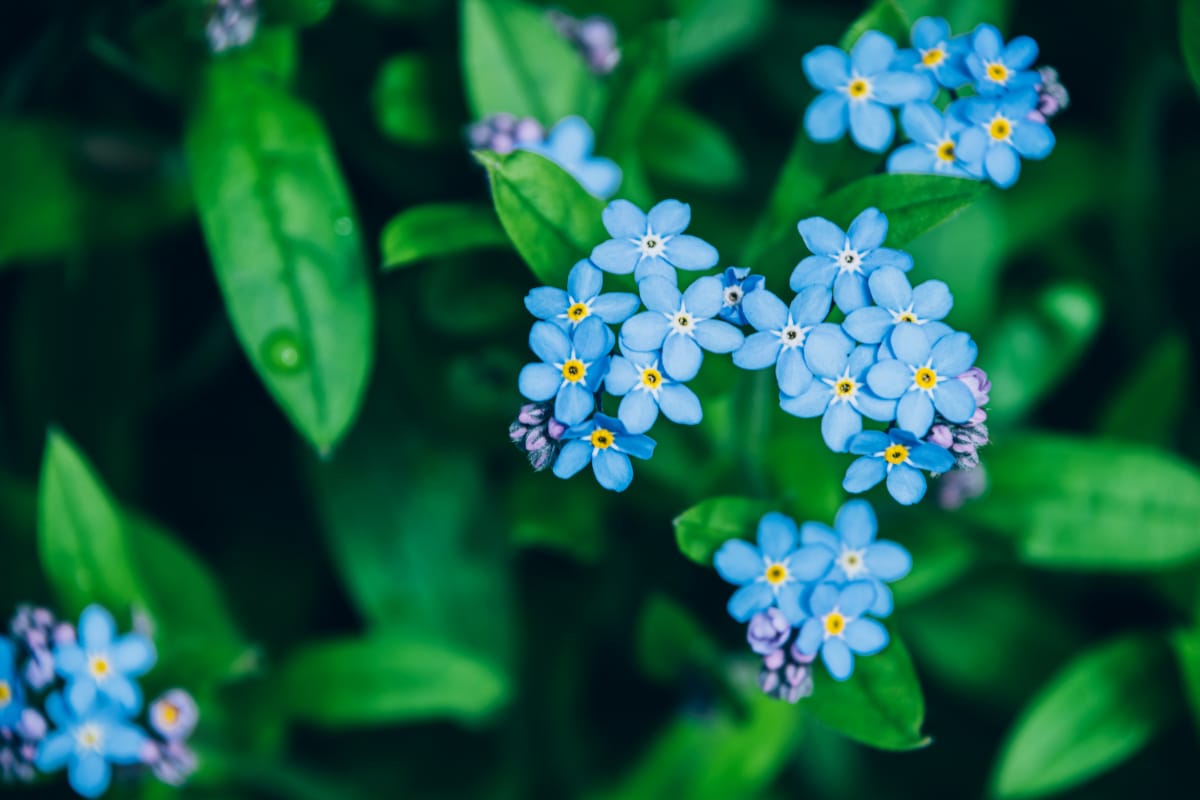
There is an absolute magic in watching a sprinkle of vibrant blue clouds slowly adorn the garden path as winter fades. The humble yet glorious forget-me-not (Myosotis) is one of the most comforting sights of early spring, adding a touch of wild charm to borders, containers, and window boxes.
For me, the true value of growing forget-me-nots lies in their timing. Because they flower so early in the year, they provide an absolutely vital lifeline of nectar and pollen for early emerging bees and other overwintering insects waking up in a sparse landscape. Whether you let them naturalise into a soft carpet of blue or use them as a breathtaking backdrop for tulips and wallflowers, they are an indispensable asset to a wildlife haven.
1. Finding the Right Variety for Your Space
The genus Myosotis encompasses several distinct species across the UK, each suited to a slightly different garden niche. Understanding their habits helps you place them exactly where they will thrive.
- Woodland Forget-me-not (Myosotis sylvatica): A classic biennial variety that forms lovely clumps of iconic blue flowers with bright yellow centres in late spring.
- Water Forget-me-not (Myosotis scorpioides): A moisture-loving perennial that is essential for damp pond margins and bog gardens. Its floating stems provide excellent shelter for aquatic larvae, and the leaves offer a perfect safe haven for newts to wrap and lay their eggs.
- Field Forget-me-not (Myosotis arvensis): This is the wonderful variety we cultivate and sell. It is a short-lived perennial or annual that forms a tough overwintering rosette of greyish-green, hairy leaves. In my own Suffolk garden, these rosettes brace the winter frost, providing valuable visual interest when the rest of the borders are bare, before unfurling a long succession of blue and occasionally pink flowers.
2. Sowing and Cultivating From Seed
Forget-me-nots are delightfully easy to grow from scratch, and you can choose whether to start them directly in the soil or under a bit of cover. They are completely unfussy, though they do prefer a spot with moist, well-drained soil and gentle sunlight or dappled shade.
Sowing Outdoors
My preferred method is to sow seeds directly into the garden during May or June. Simply clear your chosen spot, sprinkle the seeds evenly across the soil, and cover them with a very thin layer of compost. Keep the ground consistently moist until the seeds begin to germinate.
Sowing Indoors
If you prefer a more controlled environment, you can sow the seeds indoors or in an unheated greenhouse during May, June, or September. Fill your seed trays with free-draining compost, scatter the seeds, and lightly cover them. Once the seedlings are large enough to handle without damaging the stems, prick them out and pot them on into individual small pots to grow strong before planting them out into their permanent homes.
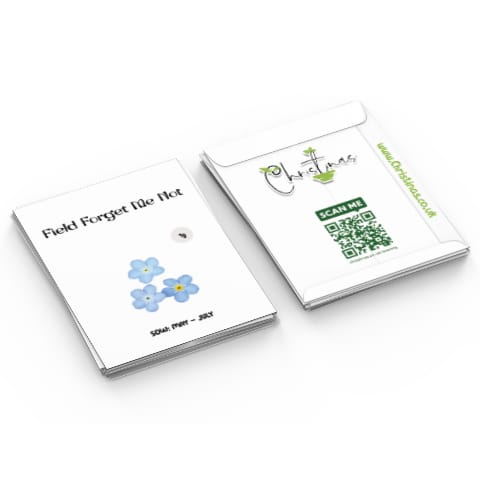
Outdoor Sowing: May-June - Scatter directly onto weed-free soil, cover lightly.
Indoor Sowing: May, June, or Sept - Sow in trays, prick out, transplant later.
3. The Natural Balance: Finches and Fungal Spores
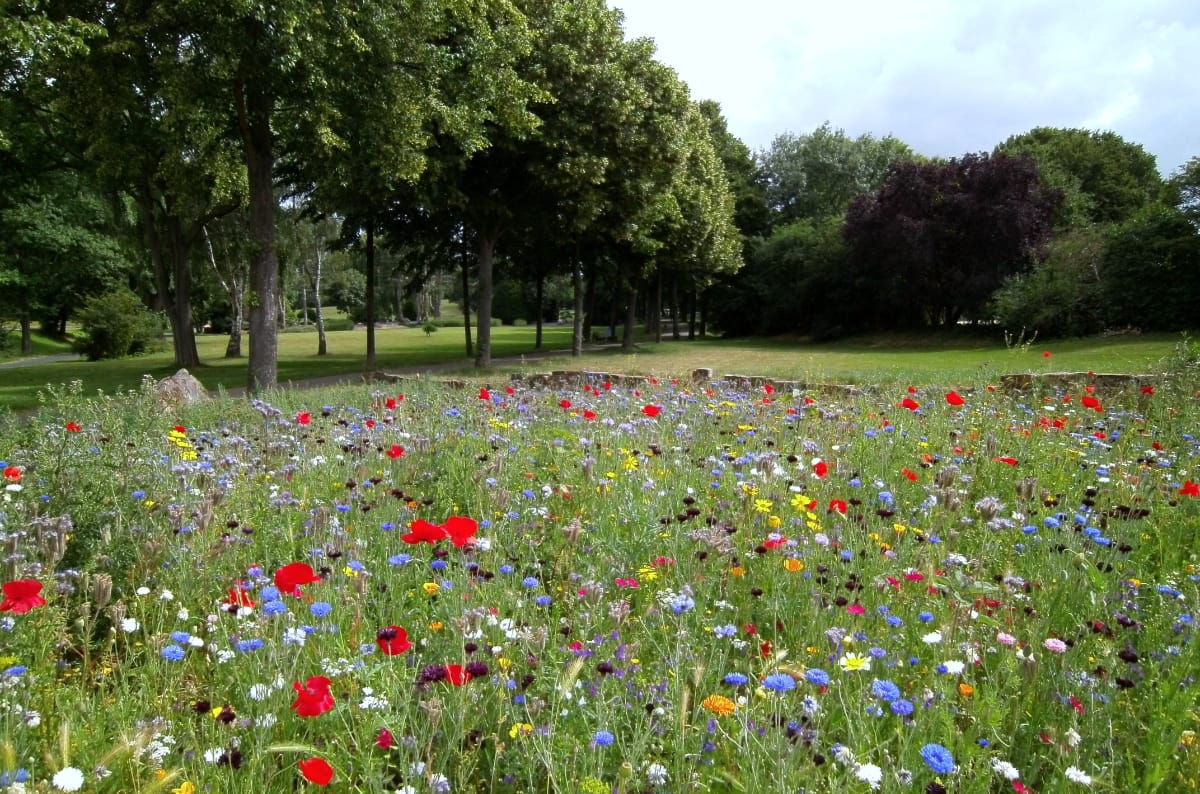
If you leave forget-me-nots to their own devices, they will self-seed beautifully, spreading their delightful blue blooms far and wide to form a dense spring carpet.
While they have a reputation for taking over, nature has a wonderful way of policing itself in a bio-diverse garden. In our garden, greenfinches and goldfinches have a great fondness for the maturing seeds. Watching them feed on the spent stalks is a joy, and their appetite naturally helps keep the forget-me-not population in check. Because the birds devour so many, I simply sow a fresh handful of extra seeds each year to maintain their charming presence.
If you ever need to manually restrict their spread, simply pull up the fading plants in early summer before the seed heads have fully matured and opened.
Embracing Garden Pests and Disease
Forget-me-nots are wonderfully carefree and rarely attract destructive garden pests. I am a firm believer in never removing pests or treating them with chemicals, because a truly bio-diverse environment relies on balance. Where there is one so-called pest, a helpful predator will eventually arrive to eat it.
You may notice powdery mildew or downy mildew appearing as a grey coating on the leaves after flowering has finished. This is very common and nothing to worry about. Simply cut the affected foliage back or pull up the spent plants to make way for your summer annuals.
Where to Buy UK-Sourced Forget-me-not Seeds
Starting your own patch of forget-me-nots is a deeply satisfying project that rewards you and your local pollinators for years to come. By introducing these early champions, you ensure your garden wakes up full of life at the very start of the season.
Shop Native Wildflowers: We sell high-quality, UK-sourced Field Forget-me-not (*Myosotis arvensis*) seeds, perfect for borders, paths, and supporting early bees. Click here to purchase your seeds from our online shop today
About the Author & Content Disclaimer
The advice in this post is based on 10+ years of hands-on experience testing seeds in our sandy Suffolk Garden.
While I love sharing my journey and the things I discover, please understand that I am not a certified professional in gardening or wildlife. I ground my content by deep-diving into reliable books and expert resources, but please use my advice only as a guide for your specific garden.
I use and sell the same UK-sourced, wildlife-approved seeds in my own garden that you see throughout this site. Shop our seeds here.
If you notice any inaccuracies or have additional insights to share, please feel free to contact me via this website's contact forms.